- Court challenges
- Lawsuits
- Certification disputes
- Redistricting
- Election administration
- Deadlines and procedures
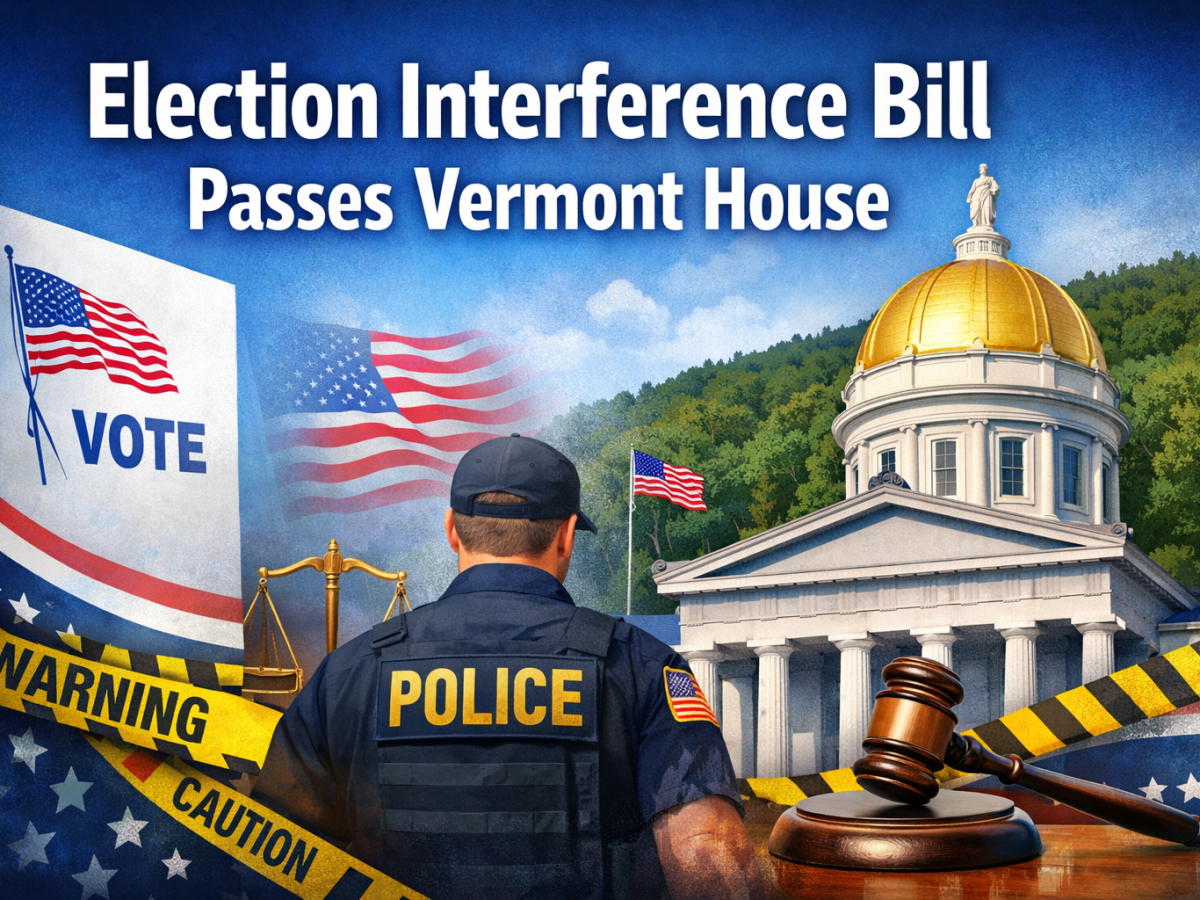
Vermont House Passes Bill Criminalizing Election Interference
The Vermont House of Representatives approved bill H. 541, aimed at strengthening protections against voter and election official interference. Sponsored by Representatives Ian Goodnow and Kate Nugent, the legislation expands criminal prohibitions, imposing penalties for intimidation and obstruction. It now moves to the Senate for further review and potential amendments.

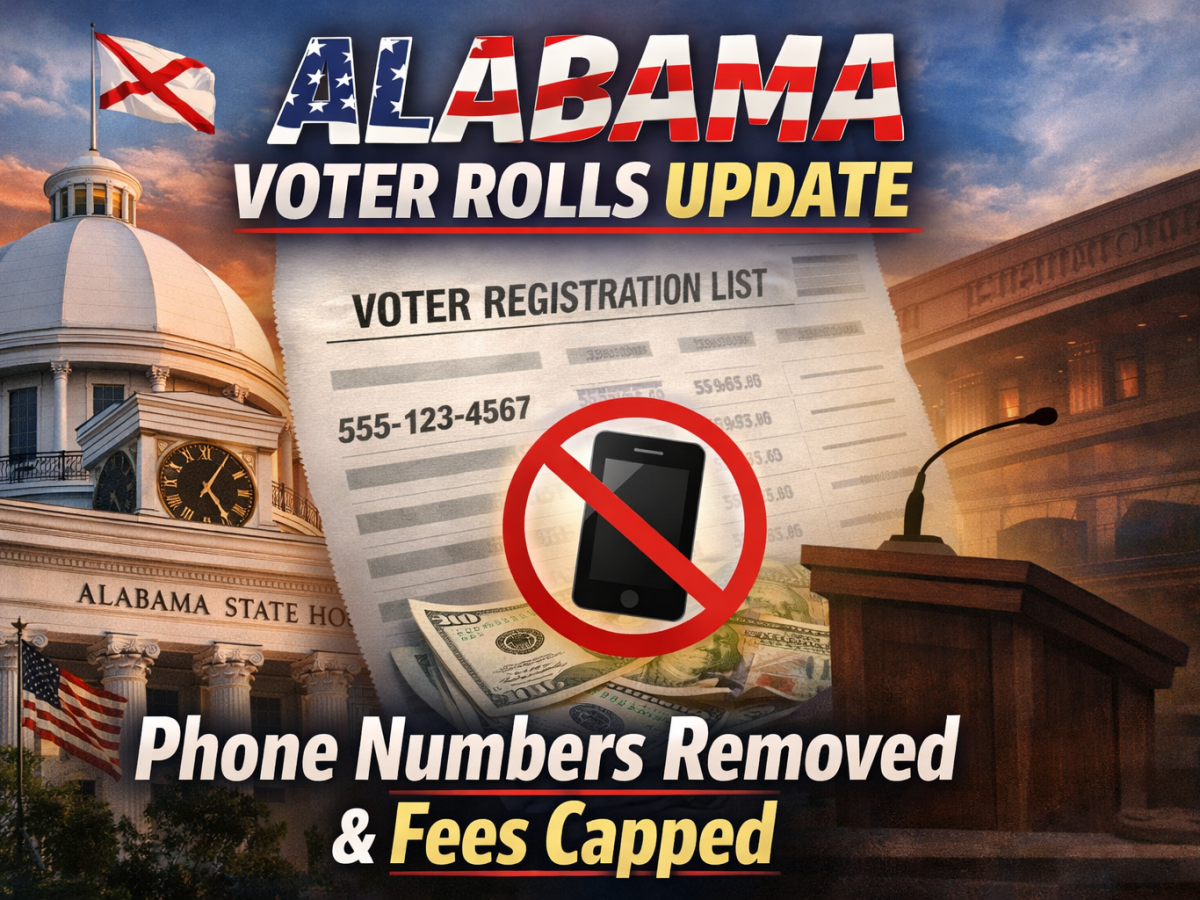
Alabama House Advances Bill to Strip Phone Numbers from Voter Rolls
The Alabama Legislature passed House Bill 67, altering voter registration data handling by removing phone numbers from official lists and capping access costs at $1,000. The bill, aimed at protecting voter privacy and reducing robocalls, allows voters to opt in for phone number inclusion. It now goes to the Senate for consideration.
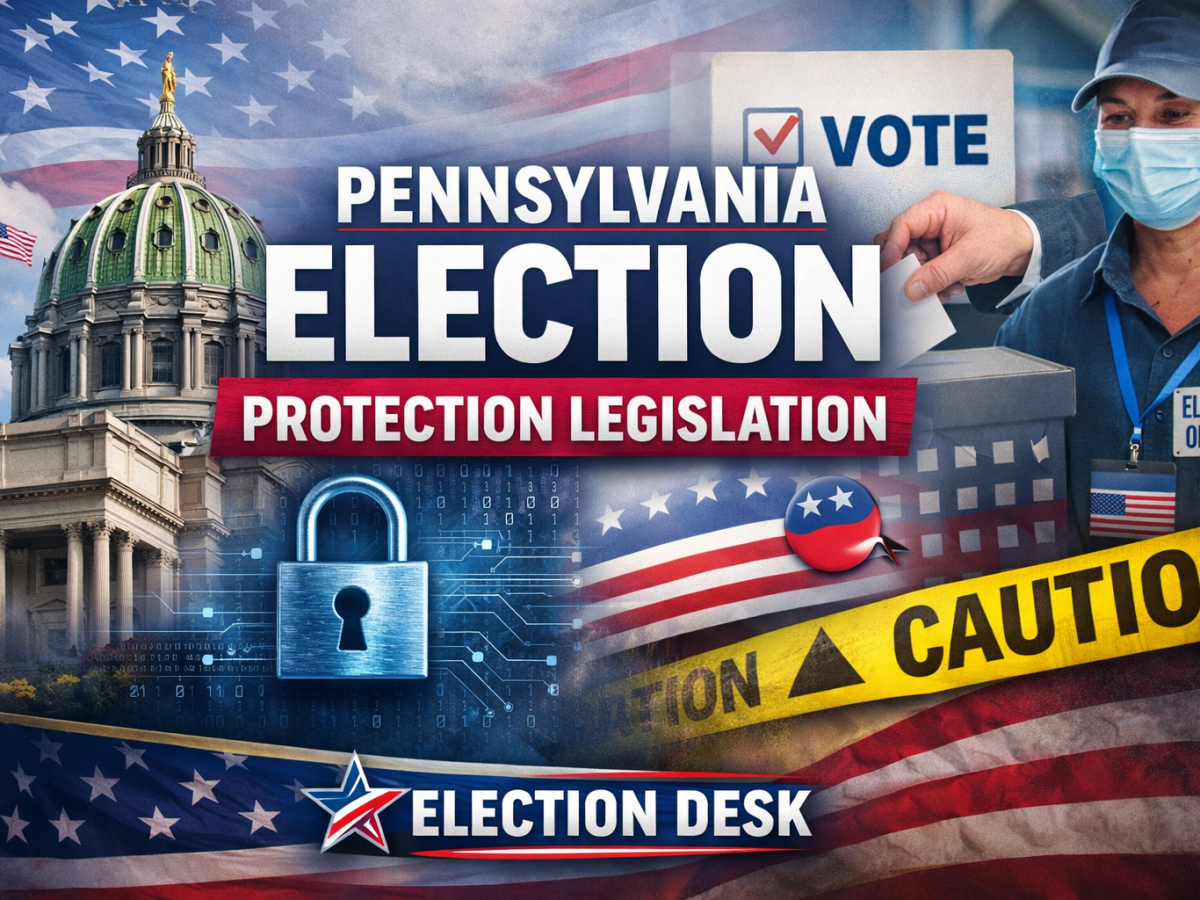
Pennsylvania Lawmakers Propose Election Protection Bill to Guard Voter Data and Shield Election Workers
A bipartisan group of Pennsylvania legislators has introduced the Protecting Voter Privacy and Pennsylvania Elections from Political Interference Act. This bill aims to secure voter privacy, state control over election systems, and shields election officials from political intimidation. It seeks to restore public confidence in elections amid ongoing debates about election integrity.
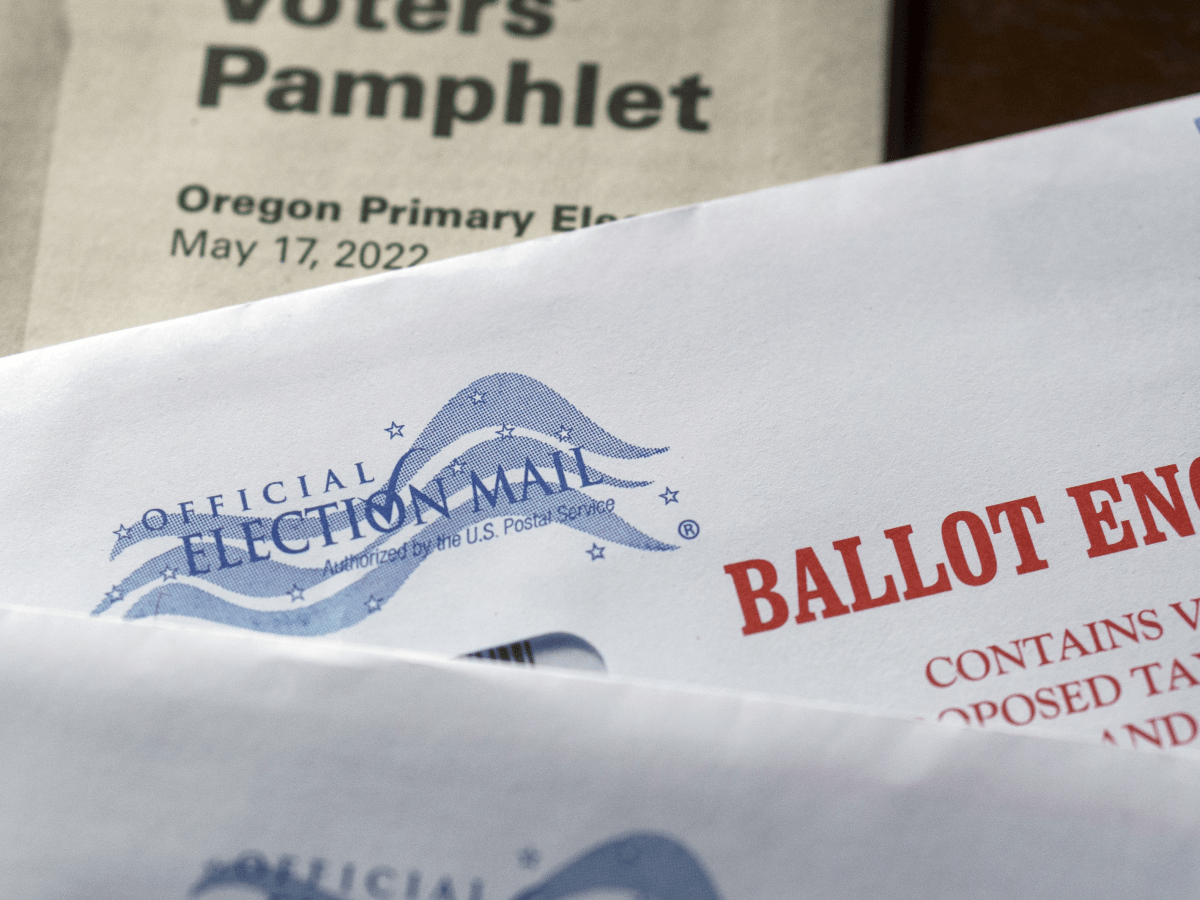
Oregon Lawmakers Debate Proposal to Open Primary Elections to All Voters
Oregon’s Legislature is considering a proposal to shift from a closed primary system to an open primary structure, allowing all registered voters, including nonaffiliated ones, to participate in candidate selection. Supporters argue it enhances voter participation and competition, while opponents worry about diminishing party control and potential voting confusion.
Maryland Lawmakers Advance Bills Targeting Election-Related Deepfake Deception
Maryland lawmakers are proposing legislation, House Bill 145 and Senate Bill 141, to limit deceptive AI-generated media in elections, addressing concerns over misleading “deepfake” content. The bills prohibit knowingly creating or sharing synthetic media intended to mislead voters while protecting free speech. They aim to address potential rapid misinformation in election cycles.
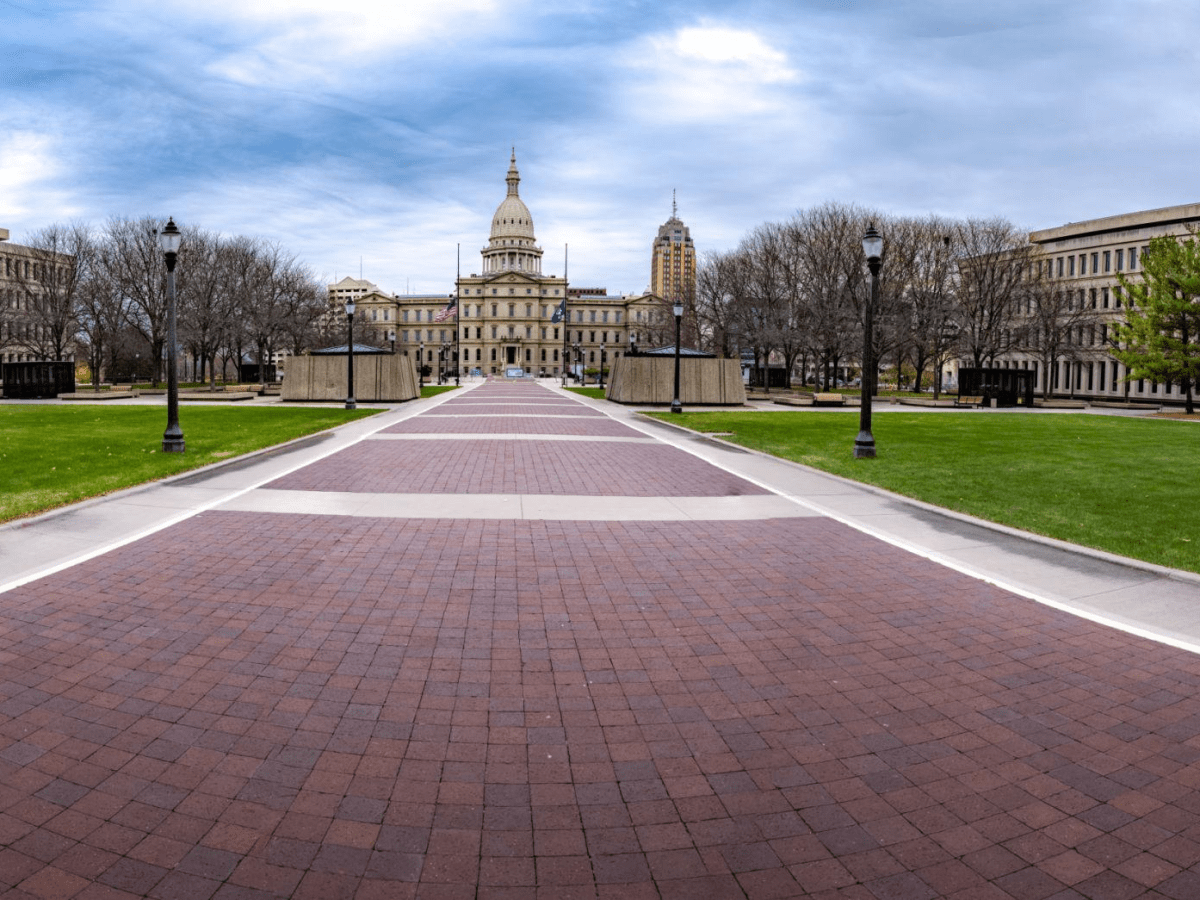
Michigan Group Claims Enough Signatures to Put Citizenship, Voter ID Question on 2026 Ballot
A conservative group in Michigan, Secure MI Vote, has gathered enough signatures for a proposed constitutional amendment to appear on the 2026 ballot. The amendment requires proof of U.S. citizenship and photo ID for voting. Supporters believe it enhances election security, while opponents fear it may restrict access and invite legal challenges.
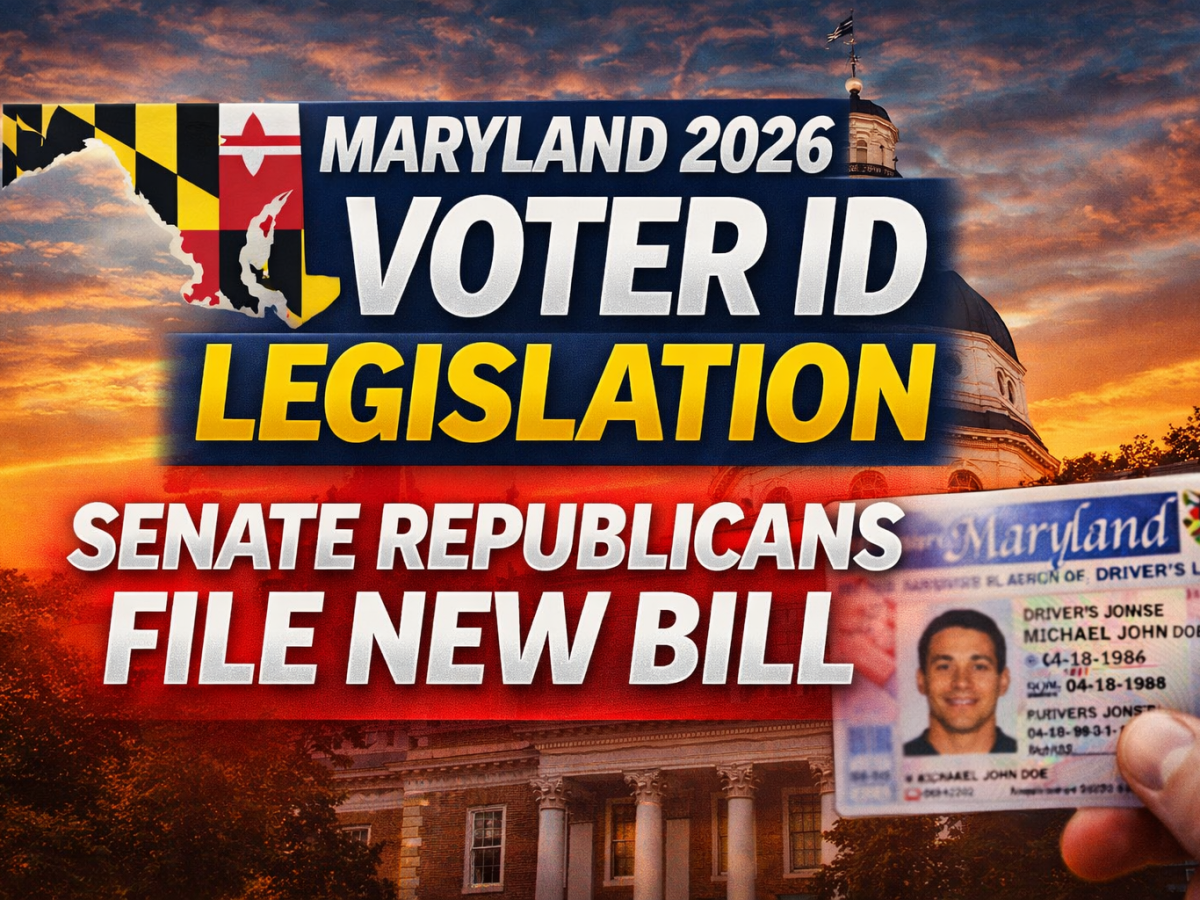
Maryland Voter ID Debate Returns as Republicans File New Bill
Maryland’s current voting laws do not require photo ID for most voters, but a new Republican proposal seeks to change this by mandating government-issued identification before voting. Supporters argue it enhances election security, while critics warn it may disenfranchise marginalized voters. The bill awaits further legislative action.
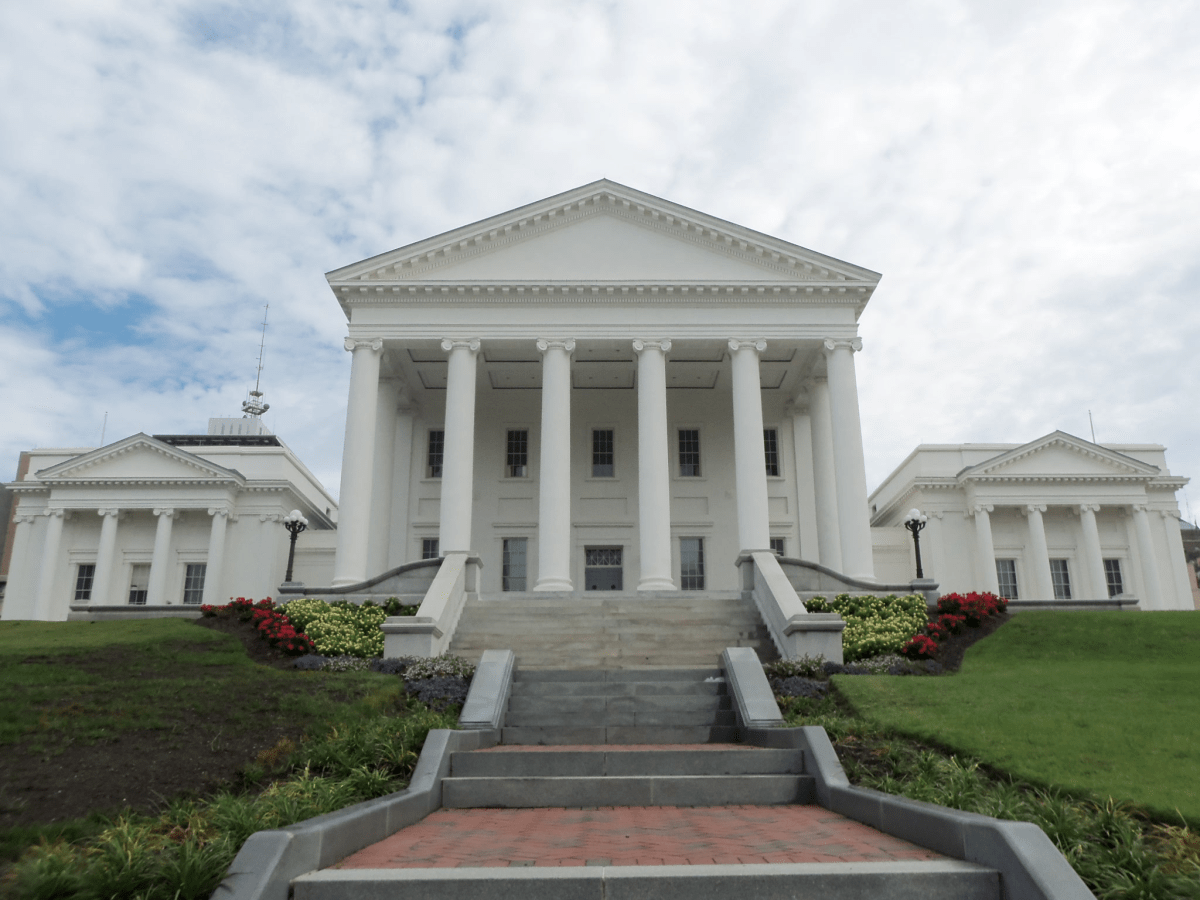
Virginia Democrats Unveil Aggressive 10–1 Congressional Map as Courts Weigh Redistricting Authority
Virginia Democrats have proposed a “10–1 map” to reshape congressional districts, aiming to secure 10 of 11 House seats. This proposal comes amid legal uncertainty as Virginia’s courts question their role in redistricting. The outcomes may significantly influence the 2026 elections and future redistricting processes nationally.
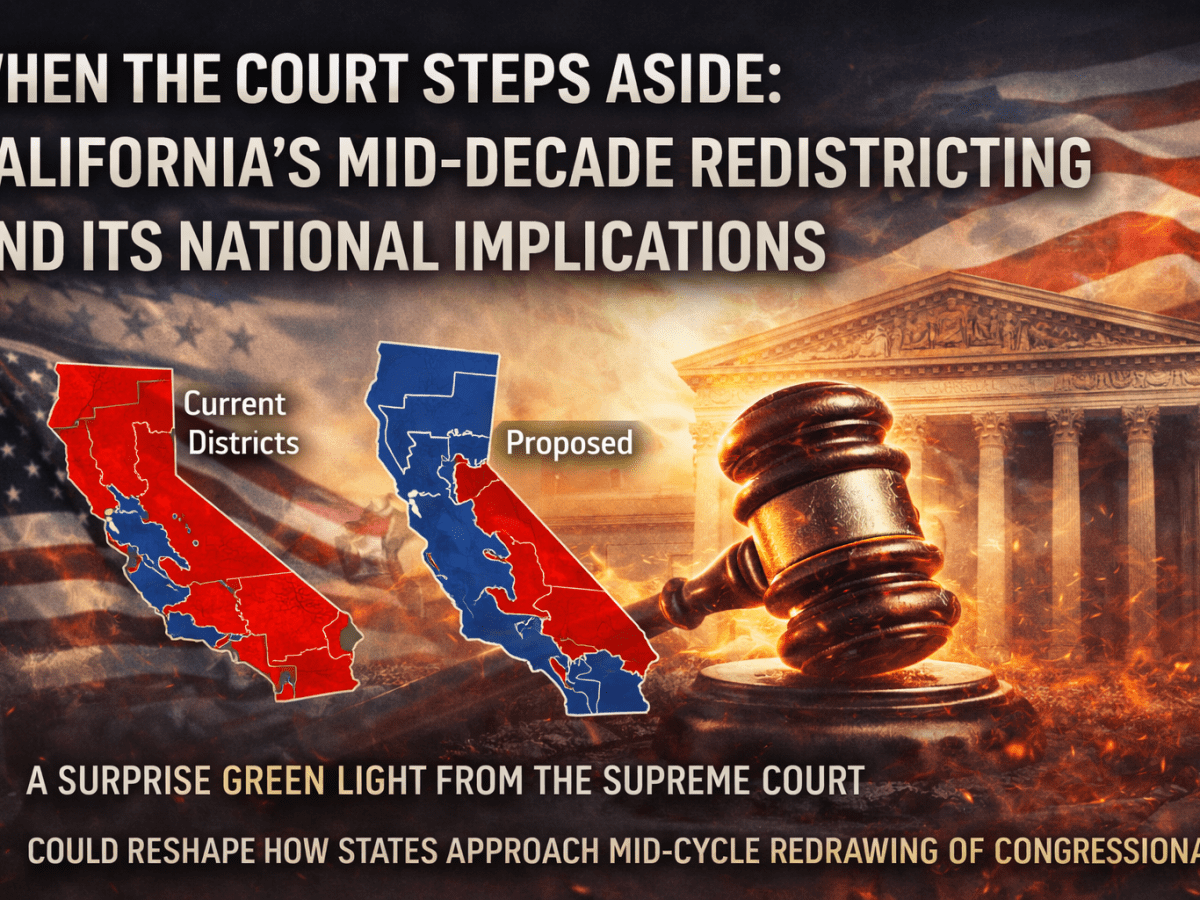
When the Court Steps Aside: California’s Mid-Decade Redistricting and Its National Implications
The U.S. Supreme Court allowed California’s revised congressional map to take effect for the 2026 elections, highlighting ongoing issues in redistricting. While it declined to rule on mid-cycle redistricting’s constitutionality, the decision may encourage other states to explore similar changes. Future challenges will likely focus on concrete violations rather than partisan motives.
Iowa Election Law “Tweaks” Advance Through State House Amid Broader 2026 Legislative Activity
A bill proposing changes to Iowa’s election laws has advanced in the House, aiming to streamline candidate petition processes by shifting responsibility to county auditors. Advocates emphasize efficiency and integrity ahead of the 2026 elections, while critics express concerns about the political implications. The proposal still requires further legislative approval.
Florida Lawmakers Move to Add Citizenship Verification to Voter Registration
Florida legislators are advancing House Bill 985, which mandates citizenship verification for voter registration and introduces stricter ID requirements. Proponents argue it ensures election integrity, while opponents view it as unnecessary and potentially suppressive. This measure reflects national trends on voter eligibility, emphasizing the ongoing debate between election security and access.
The Battle to Reform Judicial Selection in South Carolina
Judicial selection in South Carolina, criticized for its opacity, has become a focal point in the 2026 political landscape. Rom Reddy of DOGE SC advocates for reforms to diminish legislative control, allowing the governor to nominate judges. The proposed bill aims to increase accountability, highlighting the need for public trust in the judiciary.
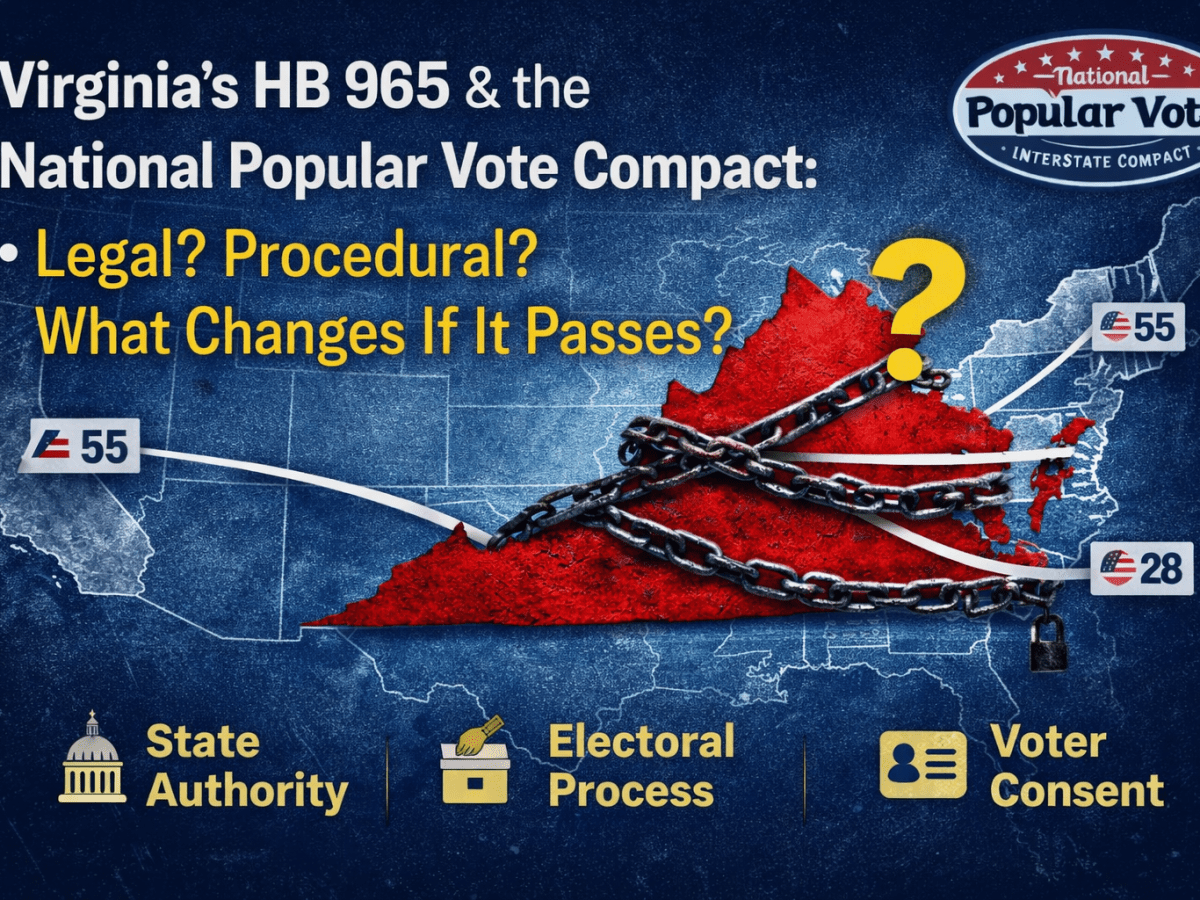
Virginia’s HB 965 and the National Popular Vote Compact: How It Works—and What Changes If It Passes
Virginia lawmakers are considering HB 965, which would allow the state to join the National Popular Vote Interstate Compact. This agreement aims to elect presidents based on the national popular vote instead of the Electoral College system. Critics voice concerns about voter consent and the shift in electoral authority from states to a national standard.
What Louisiana v. Callais Means for Voting Rights and Elections
Section 2 of the Voting Rights Act prohibits state or local practices from denying the right to vote based on race. It empowers voters to challenge discriminatory laws and practices. The Supreme Court case Louisiana v. Callais may redefine Section 2’s application, impacting minority voting strength and redistricting nationwide.
Washington Legislature Moves to Clarify What Counts as an “Election” After Court Reverses Double-Voting Conviction
Washington state lawmakers are advancing Senate Bill 6084 to clarify the definition of an “election” after a court ruling raised questions about double voting. The bill would ensure that ballots cast on the same day in different states are considered the same election, aiming to uphold election integrity and prevent ambiguity ahead of the 2026…
Federal Judge Blocks Virginia Voting Restrictions, Revives Reconstruction-Era Law
A federal judge has blocked parts of Virginia’s voting restrictions, citing likely violations of federal law related to voter eligibility. The ruling, referencing the Virginia Readmission Act of 1870, revives historical protections and may influence future election law by affecting similar statutes in other states, especially concerning voting rights for felons.
California Supreme Court Ends Huntington Beach’s Voter ID Law Fight
The California Supreme Court’s decision not to review an appeal from Huntington Beach has invalidated a voter ID requirement approved by local voters in 2024. The ruling affirms state authority over election laws, halting local efforts that critics say could suppress voter turnout while advocates argue they enhance election integrity. A new statewide initiative may…
New Jersey Tests Expanded Youth Franchise as 17-Year-Olds Cast Ballots in Primary
New Jersey is pioneering youth voting by allowing 17-year-olds, who will turn 18 by the general election, to participate in the February 2026 congressional primary. This initiative, part of the New Voter Empowerment Act, aims to enhance civic engagement among young people, potentially influencing future electoral participation trends.

Federal Court Strikes Down Hawaii Deepfake Election Law on First Amendment Grounds
A federal judge ruled Hawaii’s deepfake law unconstitutional, stating it infringed on First Amendment rights by imposing content-based restrictions on political speech. The law aimed to limit AI-generated media misleading voters but was found vague and potentially arbitrary. The ruling emphasizes the balance between addressing disinformation and protecting free speech.
Judge Blocks New Citizenship Requirements in Latest Setback to Trump Election Executive Order
A federal judge has blocked provisions from former President Trump’s executive order that aimed to impose federal oversight on voter eligibility and citizenship verification. The ruling emphasizes that such changes require congressional approval, reinforcing the constitutional balance of power between state and federal election administration. Future attempts to alter election rules will face scrutiny.

Prince George’s County Lawsuit Raises Questions About Appointment vs. Election Rules
A lawsuit by Prince George’s County residents challenges the council’s decision to appoint a replacement for an at-large seat instead of holding a special election, claiming it violates the county charter. The case raises questions about appointment authority, vacancy timing, and implications for voter representation and election administration across Maryland.
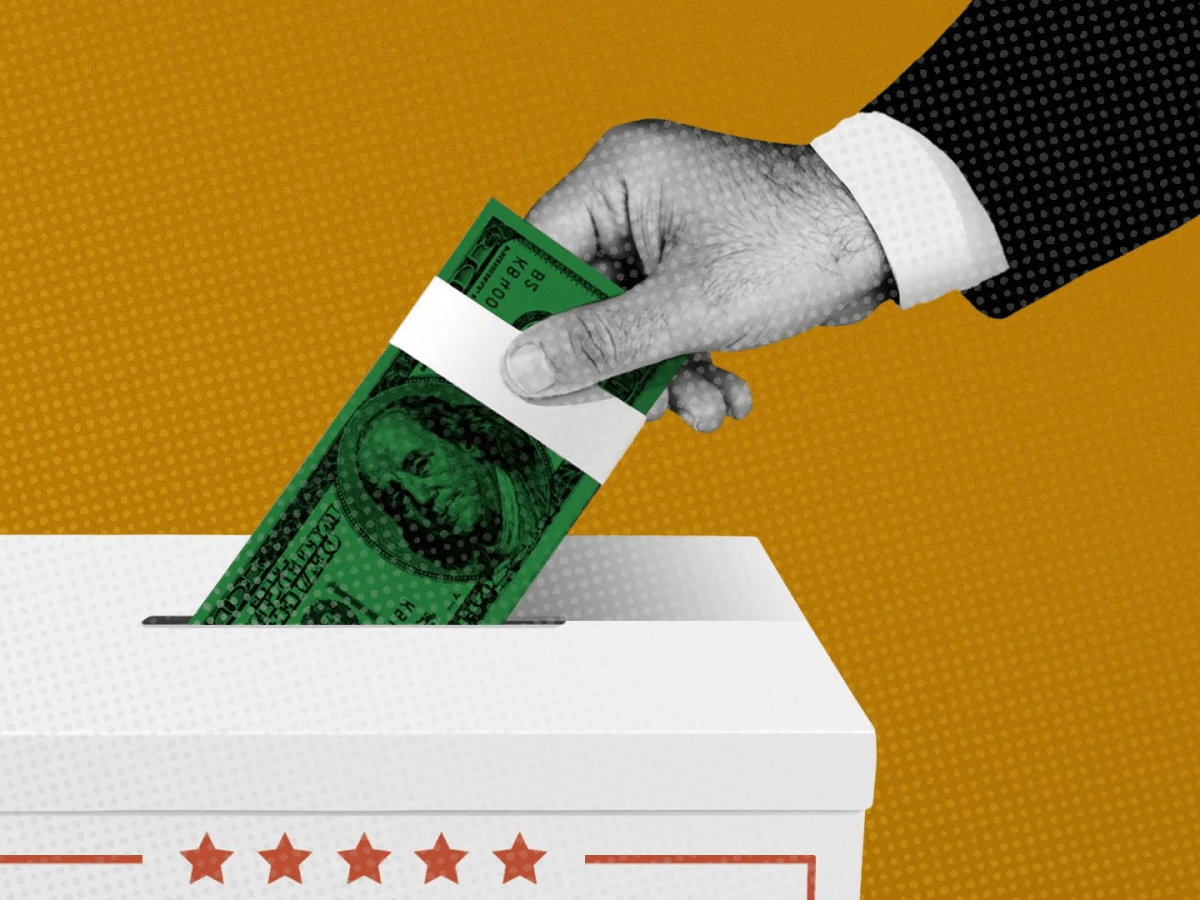
Maryland Campaign Finance Explained: How Exploratory Committees Became a Regulatory Blind Spot
Maryland’s campaign finance system, known for its structured disclosure requirements, faces scrutiny regarding the exploratory phase of candidacy. Currently, regulations allow fundraising without registration or donor disclosure prior to official declarations. Proposed bills HB 157 and SB 65 aim to define exploratory committees, enforce transparency, and align pre-candidacy fundraising with existing rules.
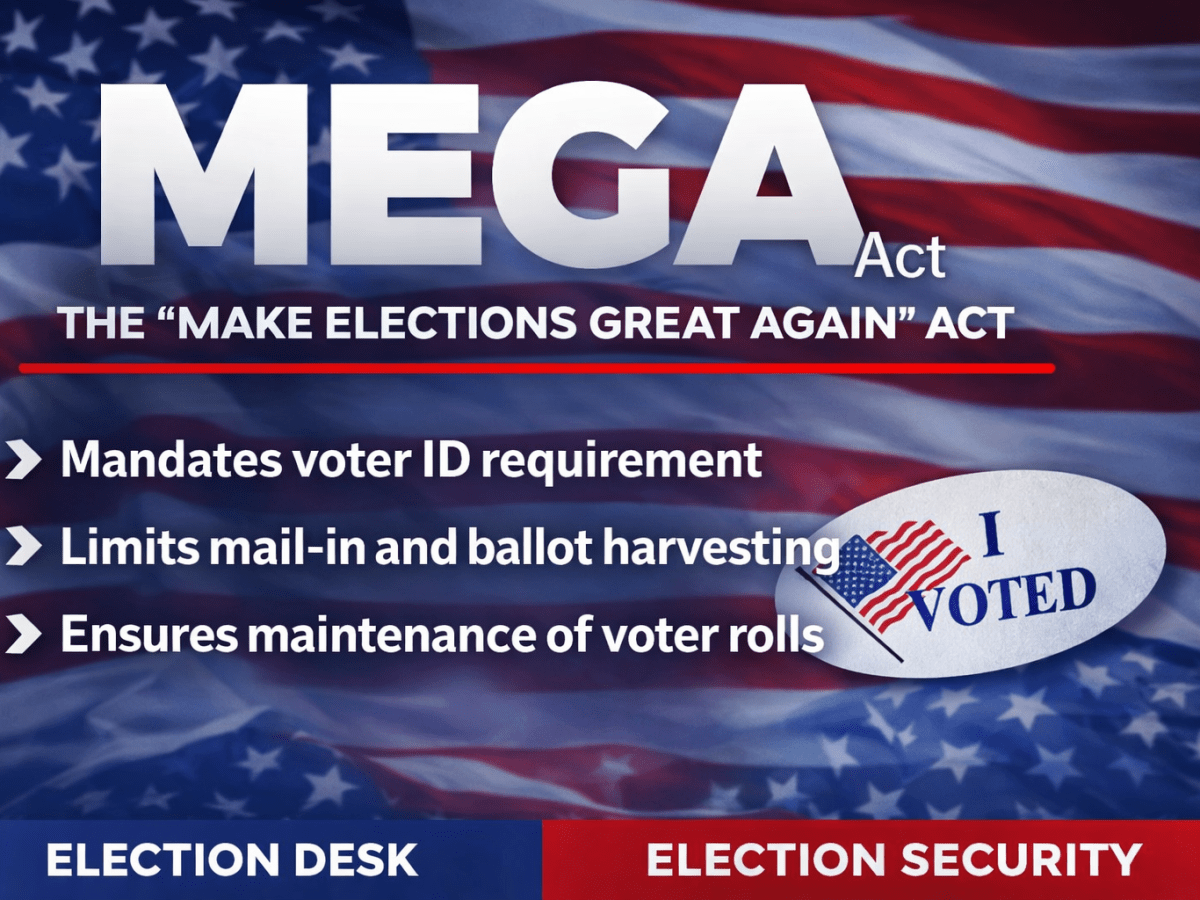
Republicans Unveil ‘Make Elections Great Again’ Act: What It Would Do and Why It Matters
Republicans unveiled the Make Elections Great Again Act (MEGA Act), aimed at establishing national standards for federal elections to enhance voter confidence and security. The bill requires photo IDs, new voter registration criteria, and stricter ballot regulations. Critics argue it risks voter access, particularly for marginalized groups, intensifying debates ahead of the 2026 midterms.
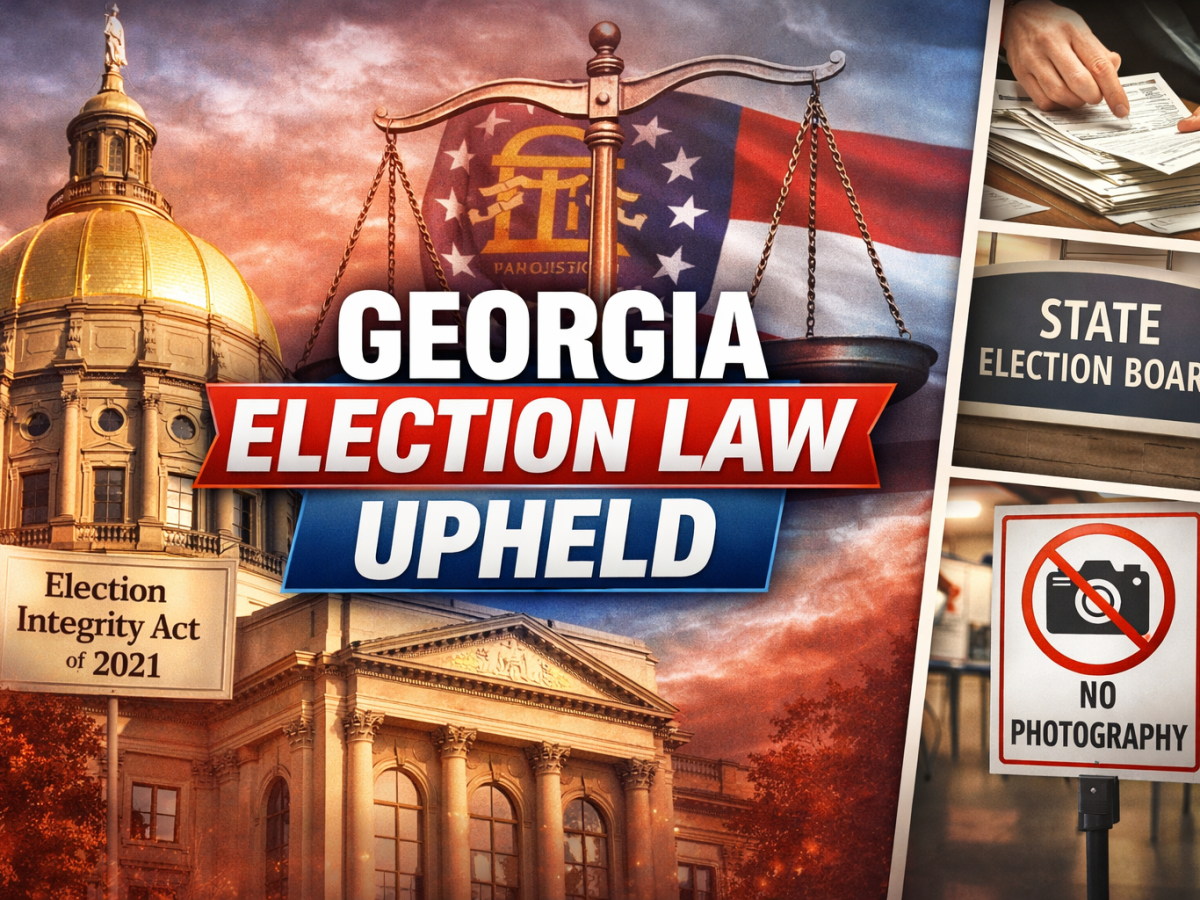
Federal Appeals Court Upholds Key Provisions of Georgia’s Election Law
A federal appeals court upheld key components of Georgia’s 2021 election law, including state authority over local election administration and a ban on ballot photography at polling places. The unanimous ruling found plaintiffs lacked legal standing, preserving the provisions amid ongoing legal challenges and debates over election integrity and voter access.
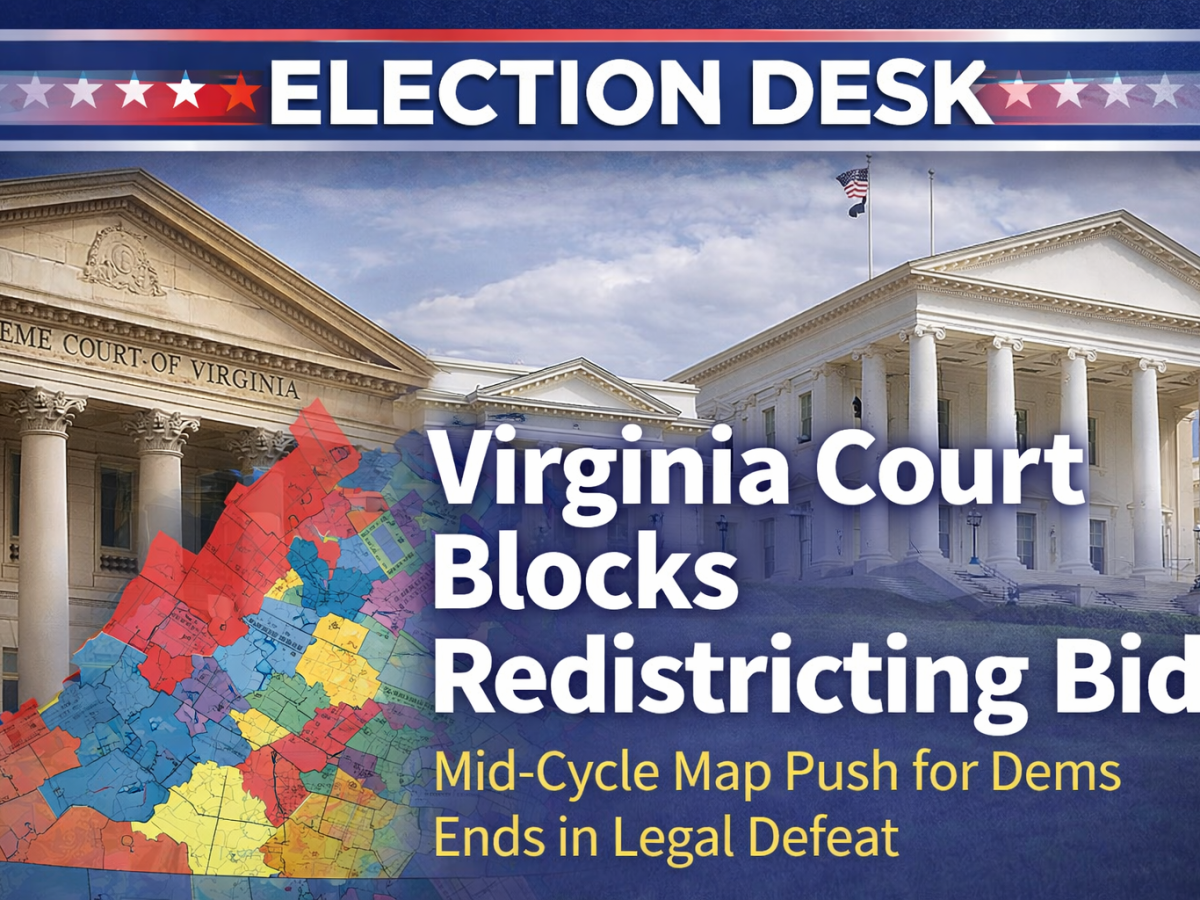
Virginia Court Stops Mid-Cycle Redistricting Push
A Virginia court has blocked a Democratic proposal for a mid-decade redistricting amendment intended for the 2026 elections, citing noncompliance with state constitutional procedures. Judge Jack Hurley Jr. found that the amendment failed to meet required notice and timing obligations. Democrats plan to appeal, but current congressional maps will remain unchanged for 2026.
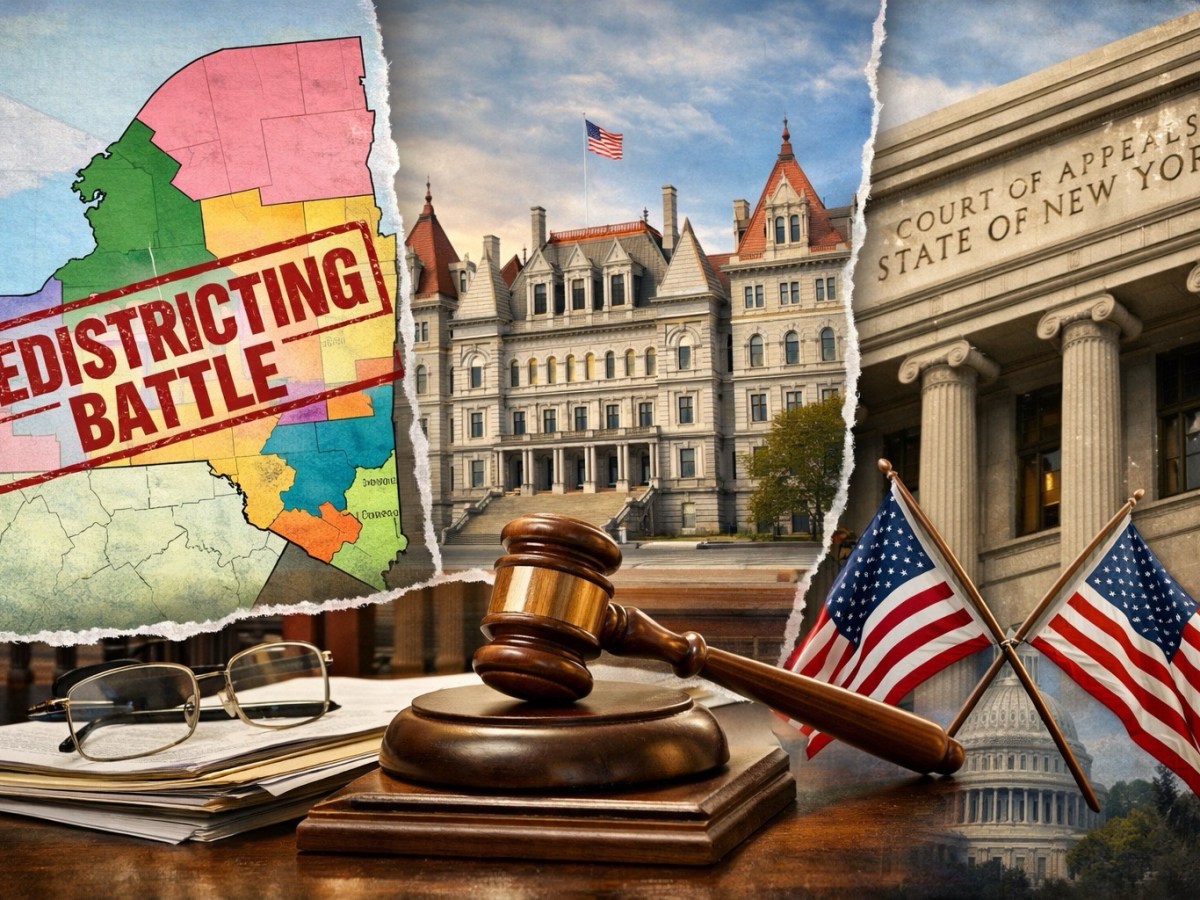
New York’s Redistricting Fight Escalates After Court Ruling
A court ruling has pushed New York back toward redistricting chaos, exposing the flaws in a system sold as “independent” but engineered to collapse. Once again, judges—not voters—may decide the map, raising serious questions about accountability, legitimacy, and democratic trust.
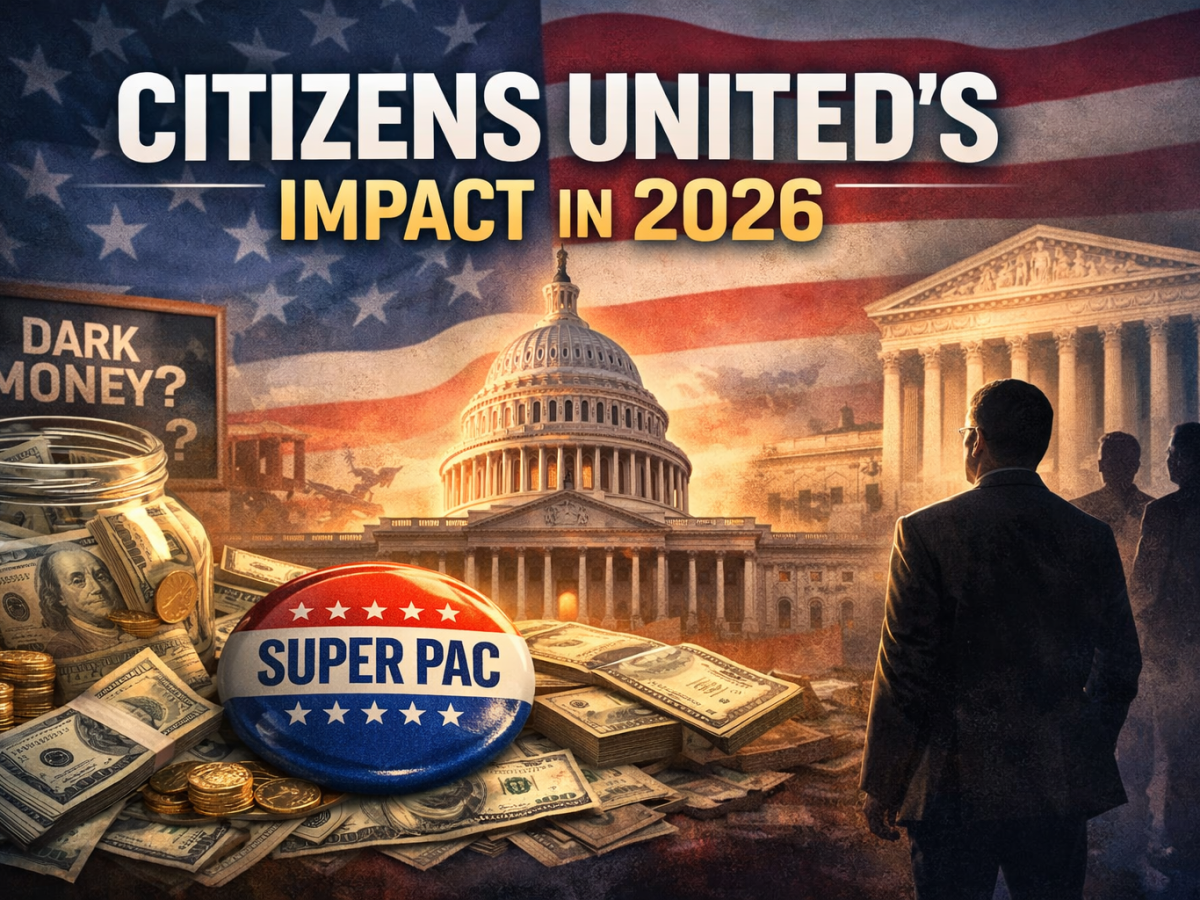
Citizens United’s Enduring Influence: How the 2010 Decision Still Shapes American Elections in 2026
On January 21, 2010, the Supreme Court’s ruling in Citizens United v. FEC allowed unlimited corporate and union spending in federal elections, reshaping campaign finance. This decision led to the rise of super PACs and dark money, raising concerns about transparency and voter influence as the political landscape faces ongoing challenges and calls for reform…
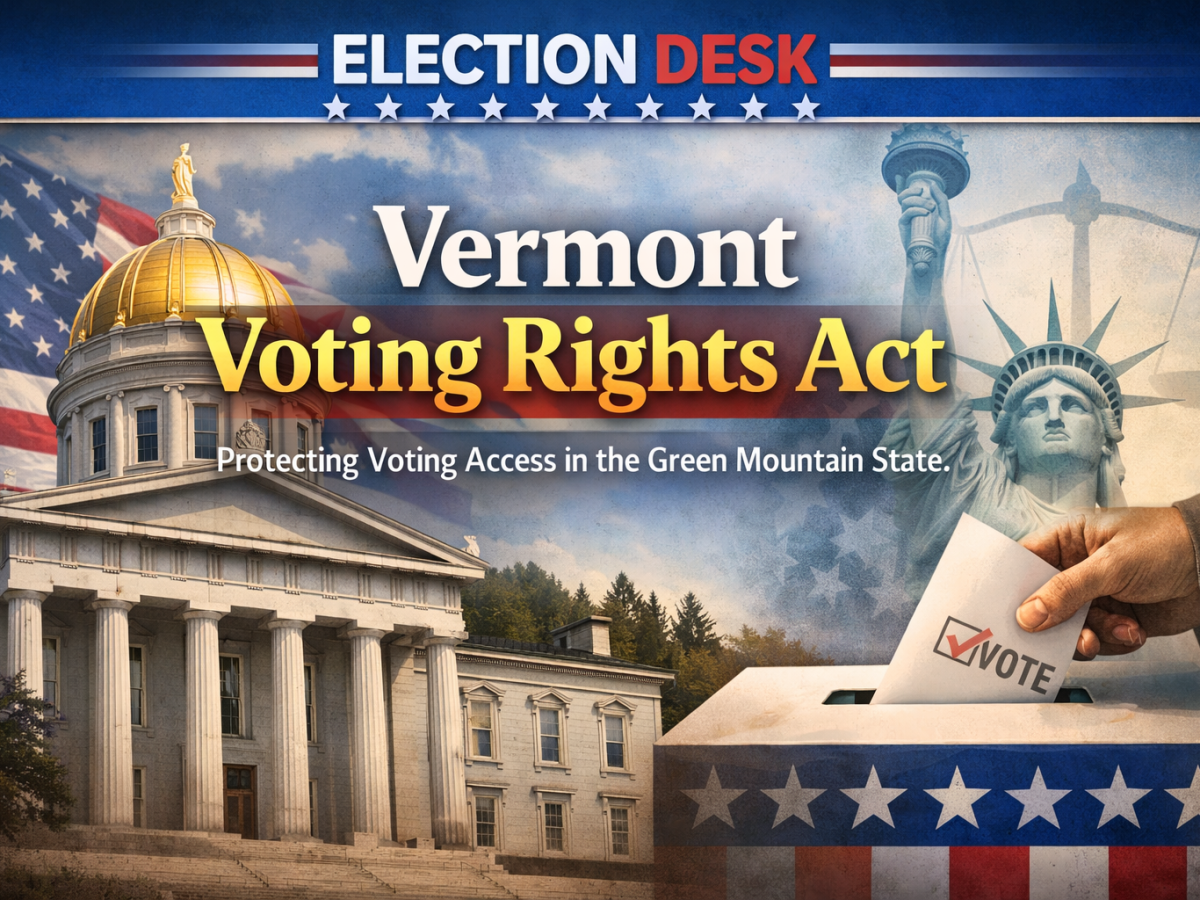
Vermont Lawmakers Move to Codify Voting Rights in State Law Amid National Uncertainty
Democratic lawmakers in Vermont proposed the Vermont Voting Rights Act to embed federal voting protections into state law amidst national concerns about voting rights. The bill aims to expand access for historically underrepresented groups, enhance voter protections, and counteract potential federal rollbacks. It is set for legislative consideration soon.
Ohio Lawmakers Propose Making Election Day a State Holiday
Ohio lawmakers have introduced a bill to designate Election Day as a state holiday to enhance voter access. Proponents argue it would alleviate work-related barriers, especially for low-income workers, while opponents cite concerns over costs and effectiveness. The proposal is set for committee review, highlighting ongoing discussions on voter participation.
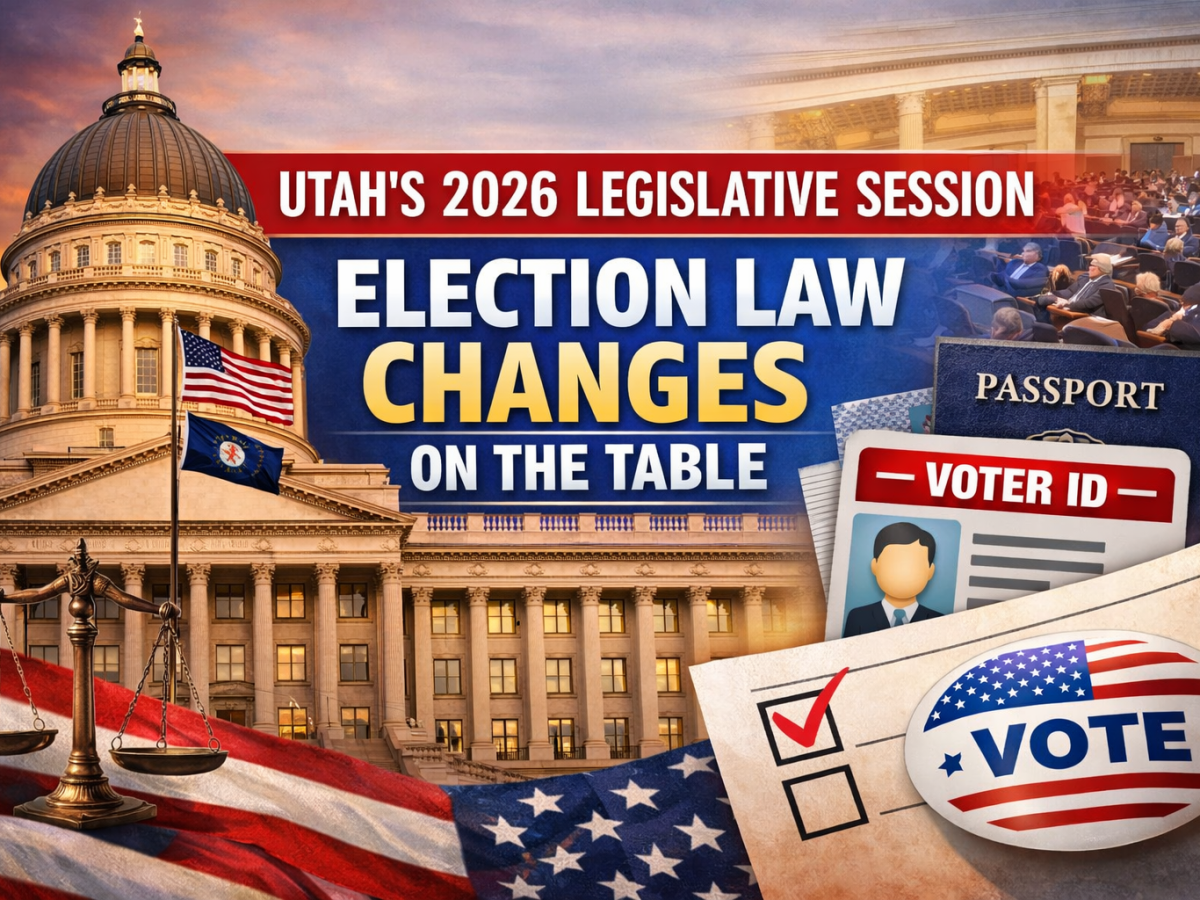
Utah’s 2026 Legislative Session Begins With Election Law Changes on the Table
Utah’s 2026 legislative session is focusing on election law reforms, highlighted by House Bill 209, which seeks to establish a proof of U.S. citizenship requirement for voting. These changes, alongside previous reforms to mail-in voting, have ignited debates over election administration and voter accessibility, with significant implications for the upcoming elections.
 Election Desk