
Category: U.S. House
-
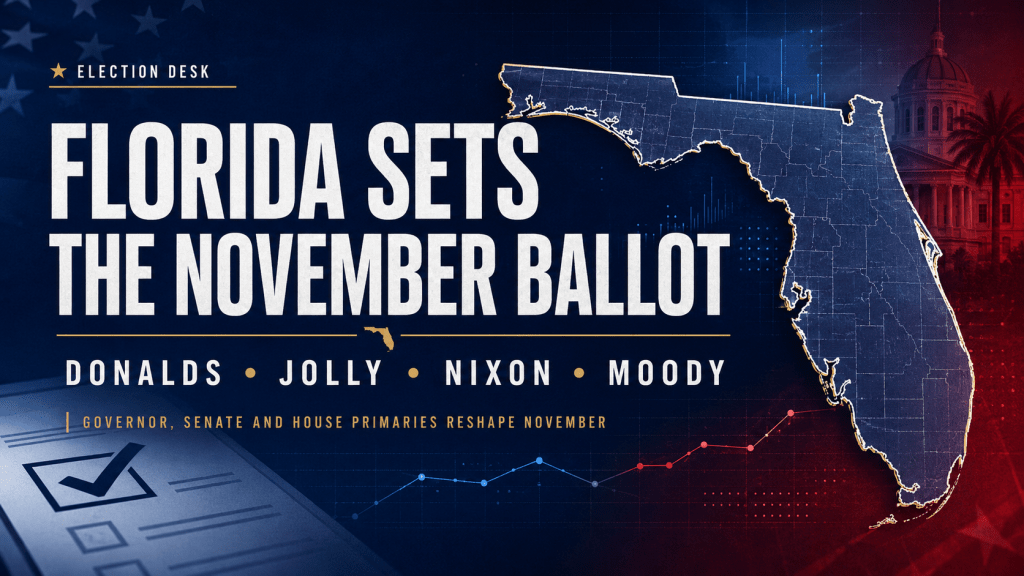
Donalds, Jolly Advance in Florida Governor’s Race; Nixon Upsets Vindman in Senate Primary as GOP Incumbent Falls in FL-07
Florida’s primary elections on August 18 featured significant developments, including Byron Donalds and David Jolly securing nominations for governor. Senator Ashley Moody and Democrat Angie Nixon also advanced in their races. A new congressional map influenced primaries, culminating in notable incumbent losses, especially in the 7th District, shaping the upcoming November elections.
-
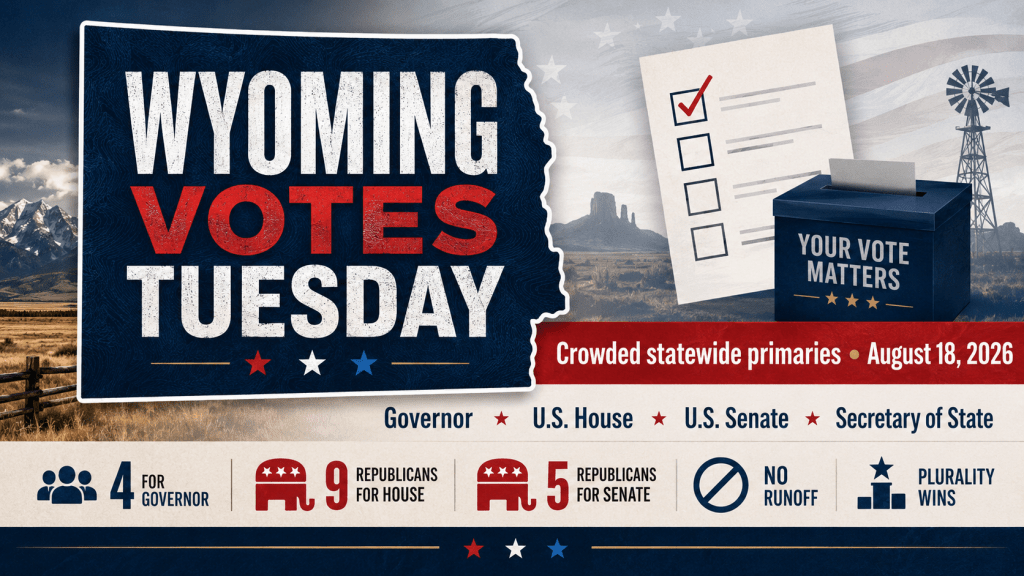
Wyoming Voters Decide Crowded Statewide Primaries Tuesday
Wyoming’s 2026 primary election is set for August 18, featuring races for governor, U.S. House, Senate, and other statewide offices. With Wyoming’s Republican dominance, the GOP primary is particularly critical, often decided by less than a majority. The election landscape includes open seats and various Republican candidates competing, while Democratic options are limited.
-
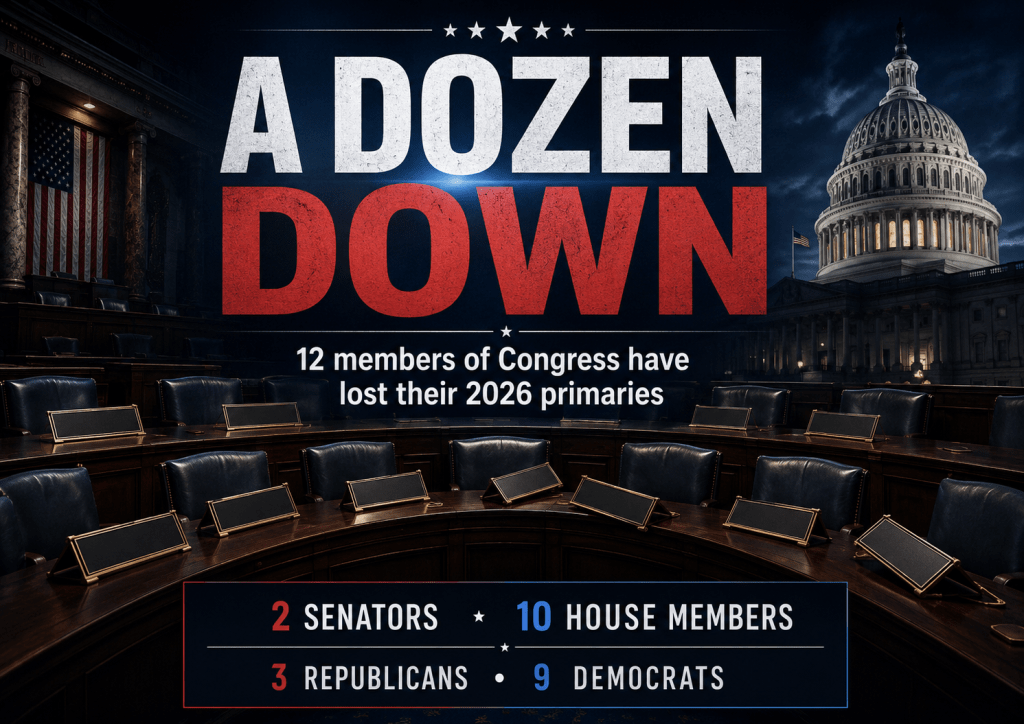
A Dozen Down: How the 2026 Primary Season Is Reshaping Congress
During the 2026 primary season, twelve incumbent Congress members lost their party nominations, including two senators and ten House representatives, with Democrats suffering more losses than Republicans. Key factors included Trump’s endorsement influence for Republicans and a surge of leftist primary challenges for Democrats, alongside redistricting affecting several incumbents.
-
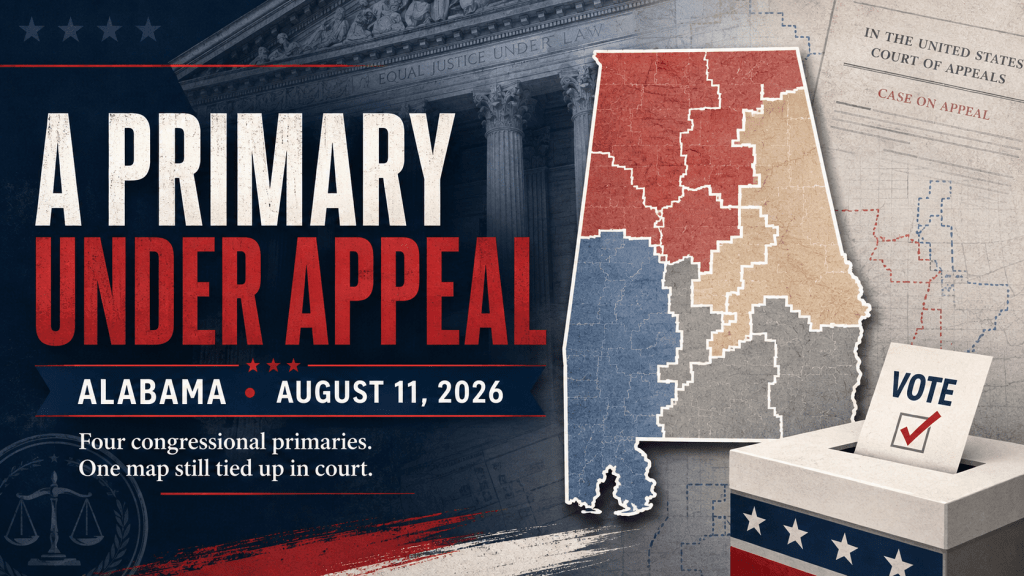
Alabama Holds Congressional Primaries Under a Map Still Tied Up in Court
Alabama voters participated in special primaries for four congressional districts amid ongoing federal litigation over the state’s congressional map. Turnout was historically low due to confusion from rapid election timelines. The 2023 map, criticized for racial discrimination, alters Democratic representation, while the legal outcome will ultimately determine election validity.
-
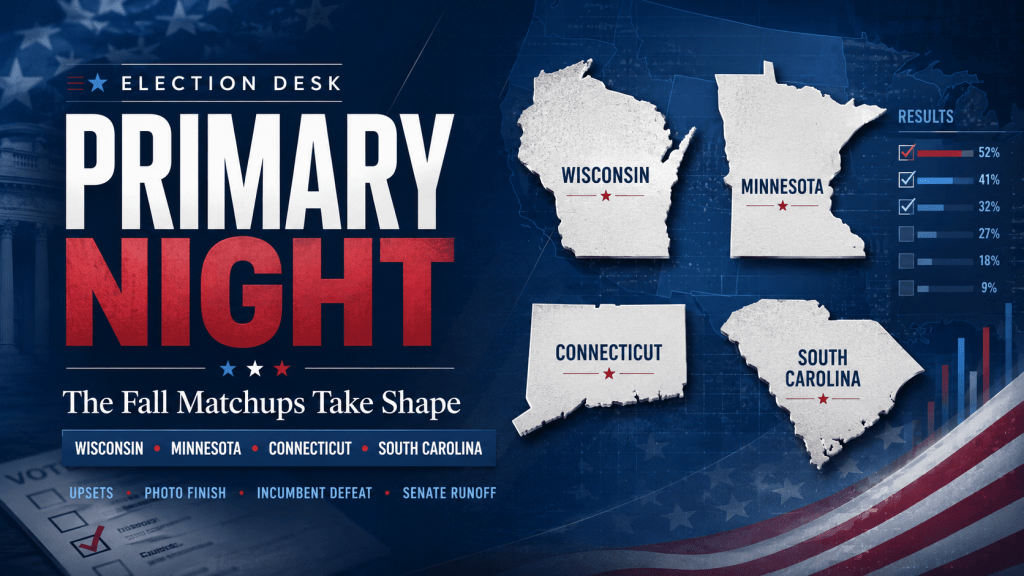
Primary Night: Wisconsin, Minnesota, Connecticut and South Carolina Set Fall Matchups
On August 11, 2026, primary elections in six states revealed significant ideological divides within both parties. Key results included David Crowley’s narrow victory in Wisconsin’s Democratic gubernatorial primary, U.S. Sen. Amy Klobuchar’s nomination in Minnesota, and Luke Bronin’s upset over John Larson in Connecticut. South Carolina set a runoff for the Senate seat left vacant…
-
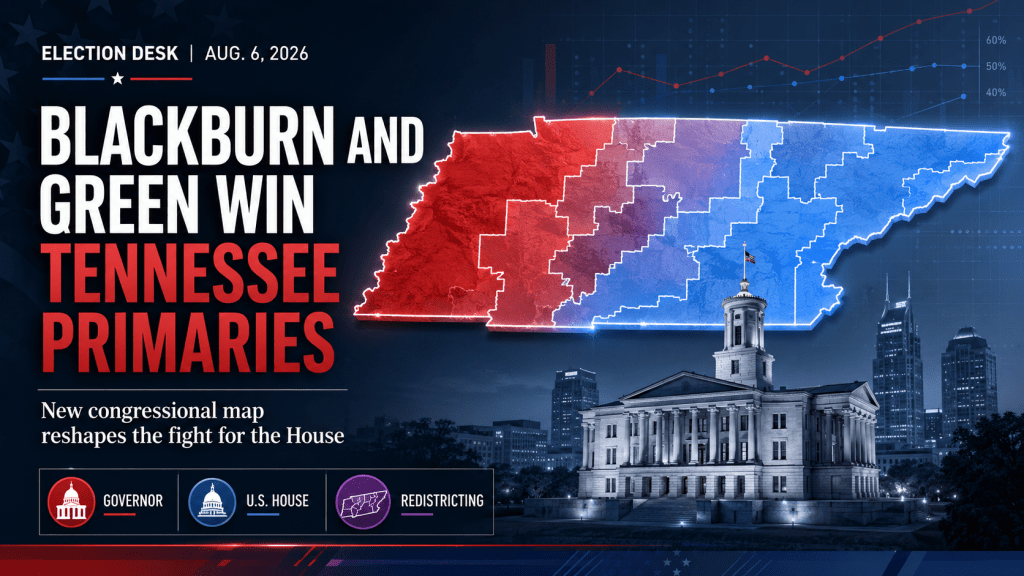
Blackburn and Green Win Governor’s Race Primaries as Tennessee’s New Congressional Map Reshapes the House Delegation
Tennessee voters participated in primaries on August 6, determining the candidates for governor and U.S. House seats ahead of the November 3 general election. Republican Marsha Blackburn and Democrat Jerri Green emerged as gubernatorial nominees. The elections were influenced by a newly drawn congressional map favoring Republicans, affecting several districts’ dynamics.
-

Michigan Sets Its November Ballot: A Rundown of the 2026 Primary Results
Michigan held pivotal primary elections on August 4, reshaping its political landscape as voters selected nominees for governor and U.S. Senate. Democratic Secretary of State Jocelyn Benson and Republican John James advanced for governor, while Abdul El-Sayed won the Democratic Senate primary. Key congressional races featured notable upsets and competitive contests. Final results await certification.
-

Why Georgia’s 13th District Special Election Is Headed to a Runoff — and What Happens Next
Voters in Georgia’s 13th Congressional District selected candidates for a special election to replace the late Rep. David Scott, but no candidate achieved the required 50 percent majority. This results in a runoff on August 25 between Marcye Scott and Everton Blair, both Democrats, to temporarily occupy the seat.
-

What Happens If Congress Is Split After an Election? Institutional Consequences Explained
Federal elections often result in a split Congress, where no single party controls both chambers. This scenario can lead to legislative gridlock, necessitating bipartisan negotiation for progress. Institutional mechanics, like tie-breaking votes in the Senate and the lack of a tie-breaking mechanism in the House, complicate governance and hinder productivity.
-
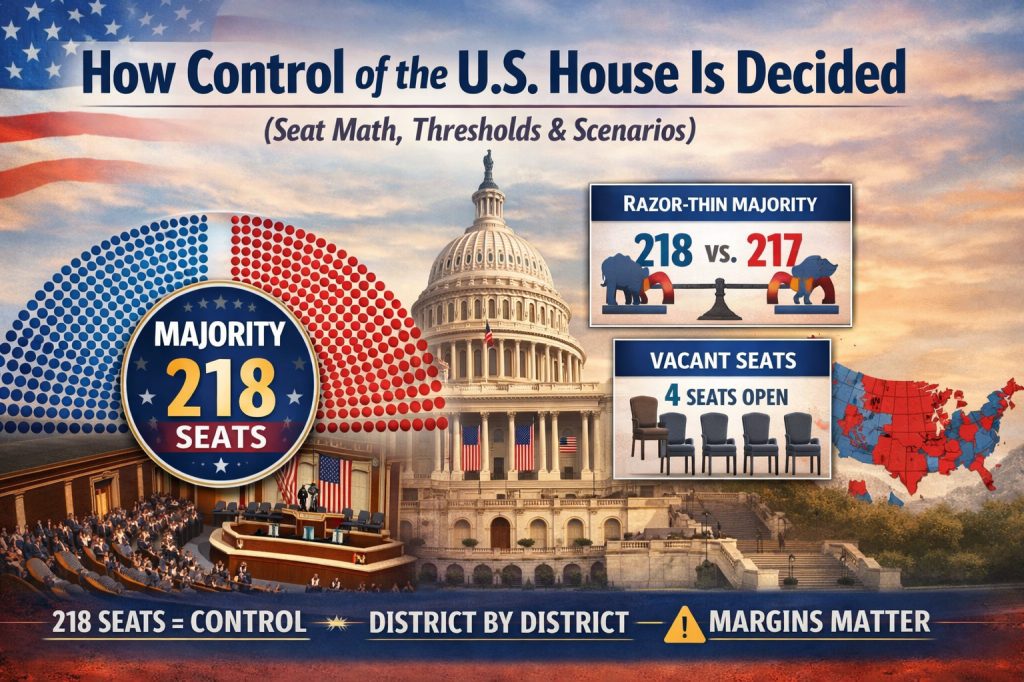
How Control of the U.S. House Is Decided
Control of the U.S. House of Representatives requires 218 seats from 435 total, enabling a party to set the agenda and elect leadership. Real-world scenarios include clear or razor-thin majorities, impacts of vacancies, independents, and why control does not align with the national popular vote. Margins of victory significantly influence legislative power dynamics.

