Category: U.S Senate
-

Barlow Upsets Trump-Backed Degenfelder in Wyoming Governor’s Race; Hageman, Gray Win Crowded Federal Primaries
Wyoming held its first three-way open race for governor, Senate, and House in 32 years on August 18, resulting in state Sen. Eric Barlow’s unexpected victory over Trump’s endorsed candidate for governor. Other key outcomes include Harriet Hageman’s successful Senate bid and Chuck Gray’s win in the U.S. House primary.
-
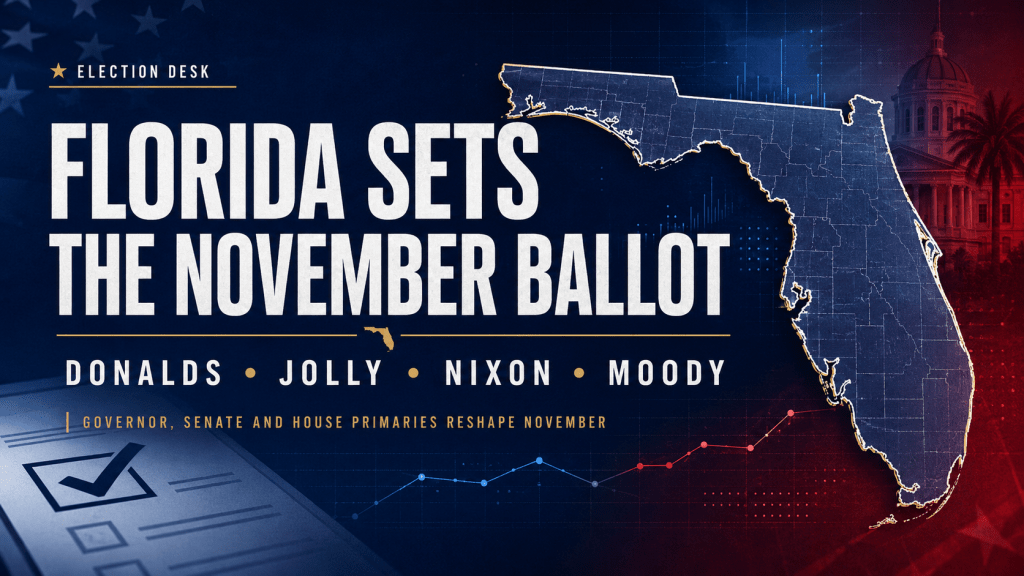
Donalds, Jolly Advance in Florida Governor’s Race; Nixon Upsets Vindman in Senate Primary as GOP Incumbent Falls in FL-07
Florida’s primary elections on August 18 featured significant developments, including Byron Donalds and David Jolly securing nominations for governor. Senator Ashley Moody and Democrat Angie Nixon also advanced in their races. A new congressional map influenced primaries, culminating in notable incumbent losses, especially in the 7th District, shaping the upcoming November elections.
-
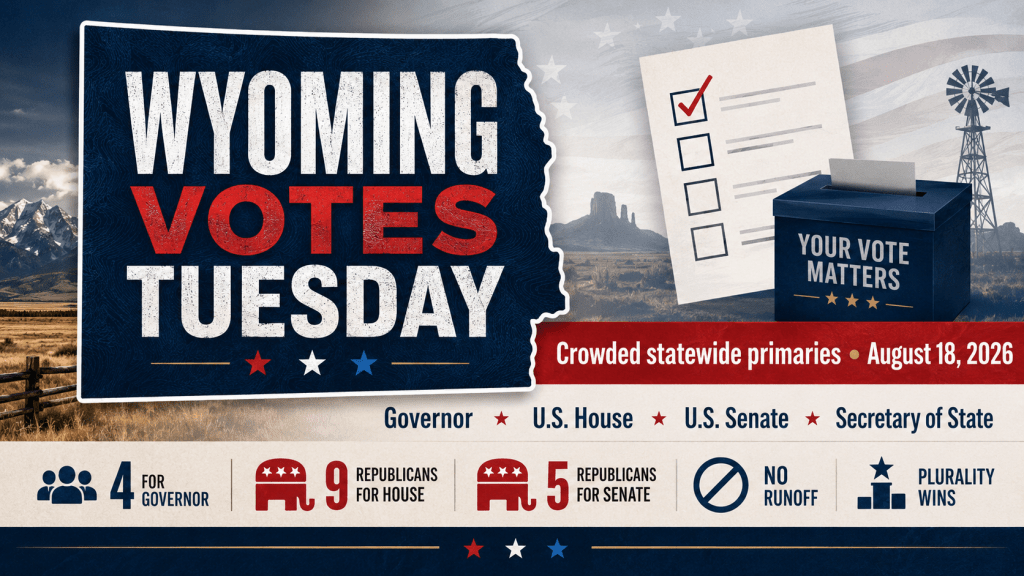
Wyoming Voters Decide Crowded Statewide Primaries Tuesday
Wyoming’s 2026 primary election is set for August 18, featuring races for governor, U.S. House, Senate, and other statewide offices. With Wyoming’s Republican dominance, the GOP primary is particularly critical, often decided by less than a majority. The election landscape includes open seats and various Republican candidates competing, while Democratic options are limited.
-
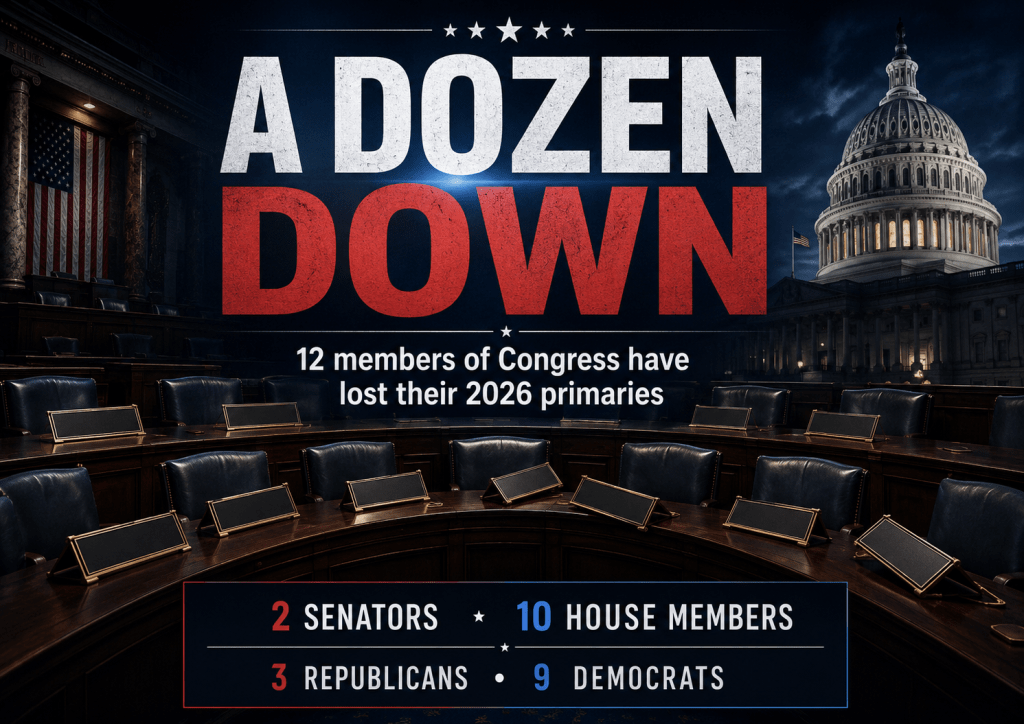
A Dozen Down: How the 2026 Primary Season Is Reshaping Congress
During the 2026 primary season, twelve incumbent Congress members lost their party nominations, including two senators and ten House representatives, with Democrats suffering more losses than Republicans. Key factors included Trump’s endorsement influence for Republicans and a surge of leftist primary challenges for Democrats, alongside redistricting affecting several incumbents.
-
Primary Night: Wisconsin, Minnesota, Connecticut and South Carolina Set Fall Matchups
On August 11, 2026, primary elections in six states revealed significant ideological divides within both parties. Key results included David Crowley’s narrow victory in Wisconsin’s Democratic gubernatorial primary, U.S. Sen. Amy Klobuchar’s nomination in Minnesota, and Luke Bronin’s upset over John Larson in Connecticut. South Carolina set a runoff for the Senate seat left vacant…
-
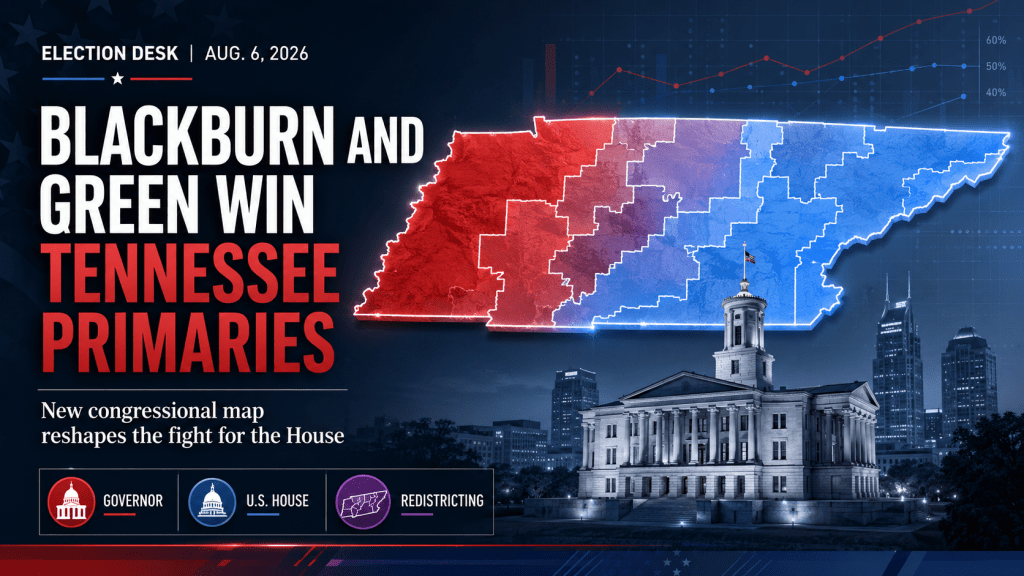
Blackburn and Green Win Governor’s Race Primaries as Tennessee’s New Congressional Map Reshapes the House Delegation
Tennessee voters participated in primaries on August 6, determining the candidates for governor and U.S. House seats ahead of the November 3 general election. Republican Marsha Blackburn and Democrat Jerri Green emerged as gubernatorial nominees. The elections were influenced by a newly drawn congressional map favoring Republicans, affecting several districts’ dynamics.
-
Florida’s Other Senate Race: How the 2026 Special Election to Replace Marco Rubio Works
Florida’s upcoming special Senate election, occurring on August 18, 2026, follows Marco Rubio’s resignation after being appointed U.S. Secretary of State. Governor Ron DeSantis appointed Ashley Moody as interim senator. She faces challenges from lesser-known Republicans, while Democrats Alex Vindman and Angie Nixon vie for their party’s nomination. The general election is scheduled for November…
-

Michigan Sets Its November Ballot: A Rundown of the 2026 Primary Results
Michigan held pivotal primary elections on August 4, reshaping its political landscape as voters selected nominees for governor and U.S. Senate. Democratic Secretary of State Jocelyn Benson and Republican John James advanced for governor, while Abdul El-Sayed won the Democratic Senate primary. Key congressional races featured notable upsets and competitive contests. Final results await certification.
-

South Carolina Republicans Set for Special U.S. Senate Primary Aug. 11
South Carolina will hold a special primary on August 11 to select a Republican nominee for a U.S. Senate seat vacated by the death of Sen. Lindsey Graham. Nine candidates qualified, and if no candidate receives over 50% of the vote, a runoff will occur on August 25. The winner will face Democrat Annie Andrews…
-

Alaska Voters Will Pick a Senator — and Decide Whether to Keep the System That Elects One
Alaska’s 2026 election cycle features a noteworthy aspect where voters will decide not only a closely-watched Senate race but also whether to repeal the state’s ranked-choice voting system. The Senate primary on August 18 will advance the top four candidates to a ranked-choice general election on November 3, amid debate over electoral clarity and voter…

