
Tag: redistricting
-
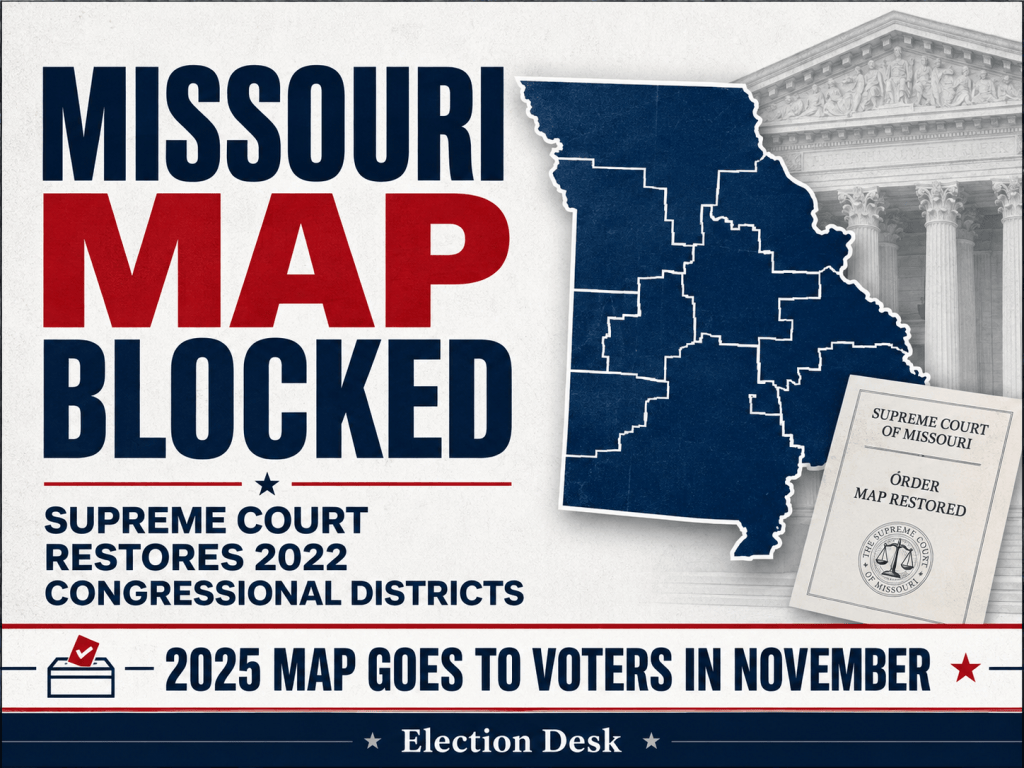
Missouri Supreme Court Orders 2022 Congressional Lines Restored, Sends Redistricting Map to November Ballot
The Missouri Supreme Court unanimously ruled on September 3 that the state’s congressional redistricting plan from 2025 cannot be used in the upcoming general election, reinstating the 2022 district lines while a voter referendum proceeds. The decision emphasizes constitutional provisions allowing a referendum on redistricting and addresses Secretary of State Denny Hoskins’s delayed actions.
-
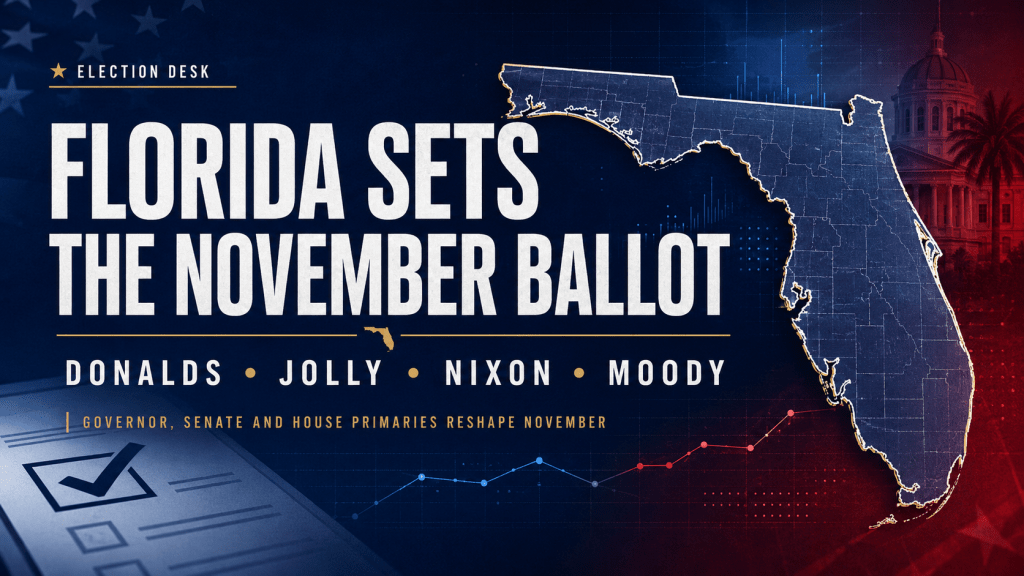
Donalds, Jolly Advance in Florida Governor’s Race; Nixon Upsets Vindman in Senate Primary as GOP Incumbent Falls in FL-07
Florida’s primary elections on August 18 featured significant developments, including Byron Donalds and David Jolly securing nominations for governor. Senator Ashley Moody and Democrat Angie Nixon also advanced in their races. A new congressional map influenced primaries, culminating in notable incumbent losses, especially in the 7th District, shaping the upcoming November elections.
-
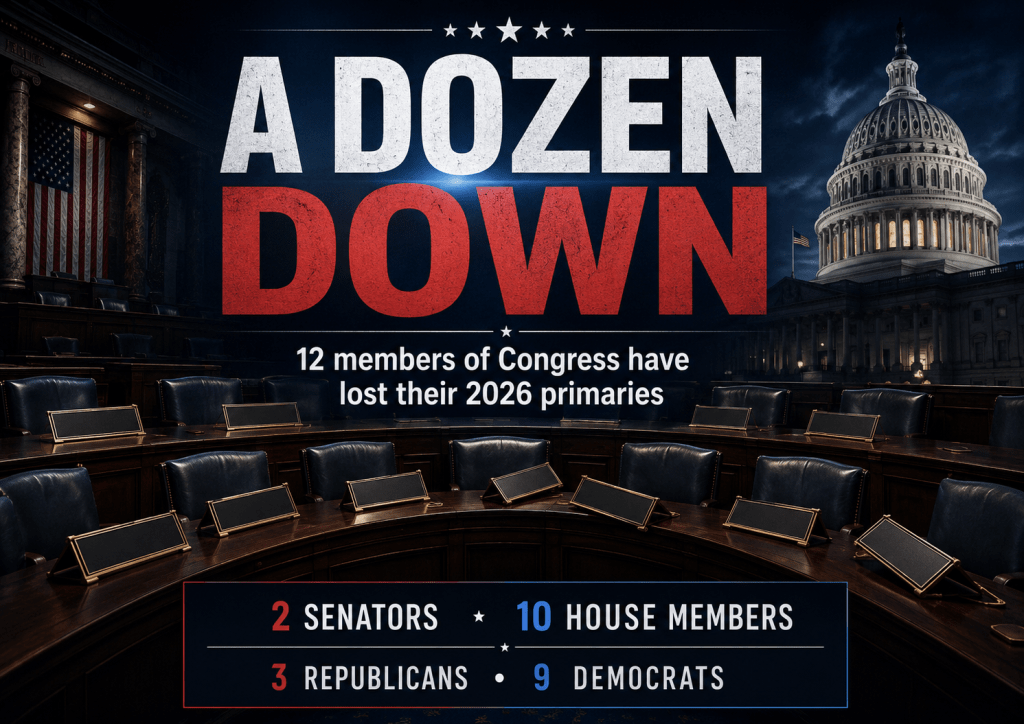
A Dozen Down: How the 2026 Primary Season Is Reshaping Congress
During the 2026 primary season, twelve incumbent Congress members lost their party nominations, including two senators and ten House representatives, with Democrats suffering more losses than Republicans. Key factors included Trump’s endorsement influence for Republicans and a surge of leftist primary challenges for Democrats, alongside redistricting affecting several incumbents.
-
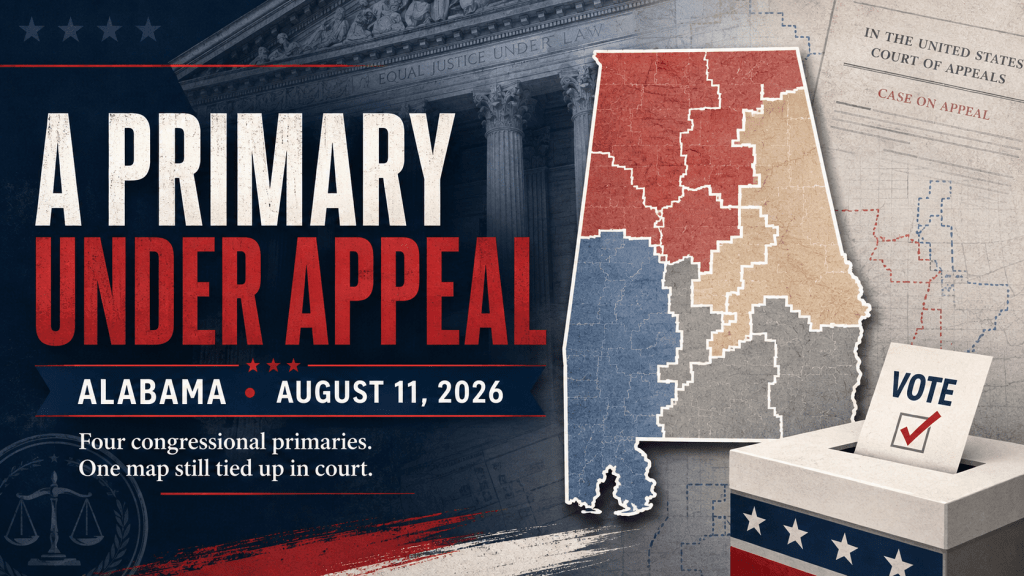
Alabama Holds Congressional Primaries Under a Map Still Tied Up in Court
Alabama voters participated in special primaries for four congressional districts amid ongoing federal litigation over the state’s congressional map. Turnout was historically low due to confusion from rapid election timelines. The 2023 map, criticized for racial discrimination, alters Democratic representation, while the legal outcome will ultimately determine election validity.
-

Maryland’s Redistricting Amendment Faces a Ballot-Deadline Lawsuit — Here’s the Case Being Made on Both Sides
A lawsuit in Maryland aims to remove a congressional redistricting amendment, HB 2100, from the November ballot, claiming the General Assembly missed its certification deadline. While the timing is disputed, the amendment would change the rules for congressional map-drawing, potentially benefiting the Democratic majority before 2028 elections.
-
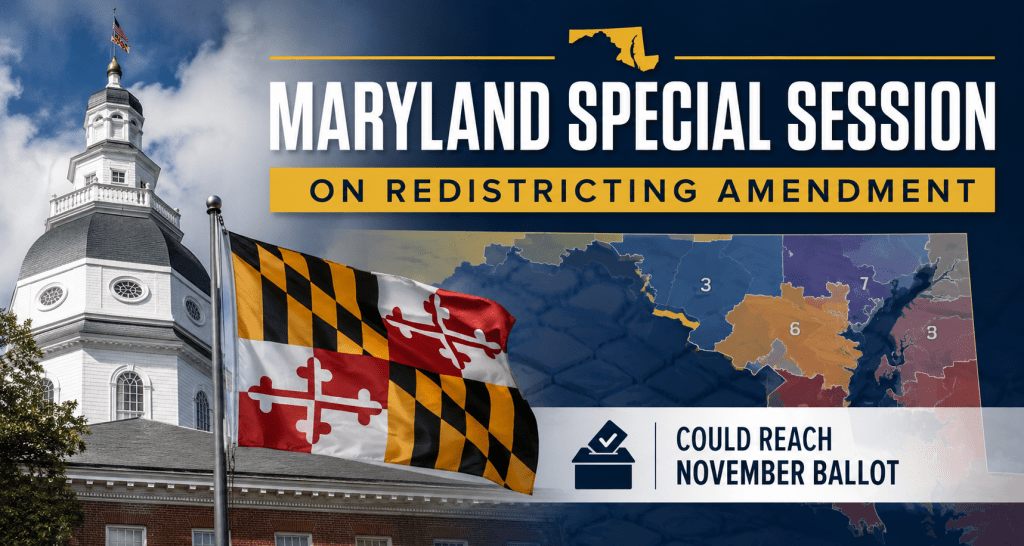
Maryland Lawmakers Convene Special Session Monday on a Constitutional Amendment That Could Reach the November Ballot
Maryland’s General Assembly begins a special session on August 3 to consider a proposed constitutional amendment affecting future congressional redistricting standards. While no new map will be drawn, the amendment aims to clarify legal frameworks governing redistricting and potentially expedite judicial review of disputes. Voter approval is sought for the ballot in 2026.
-
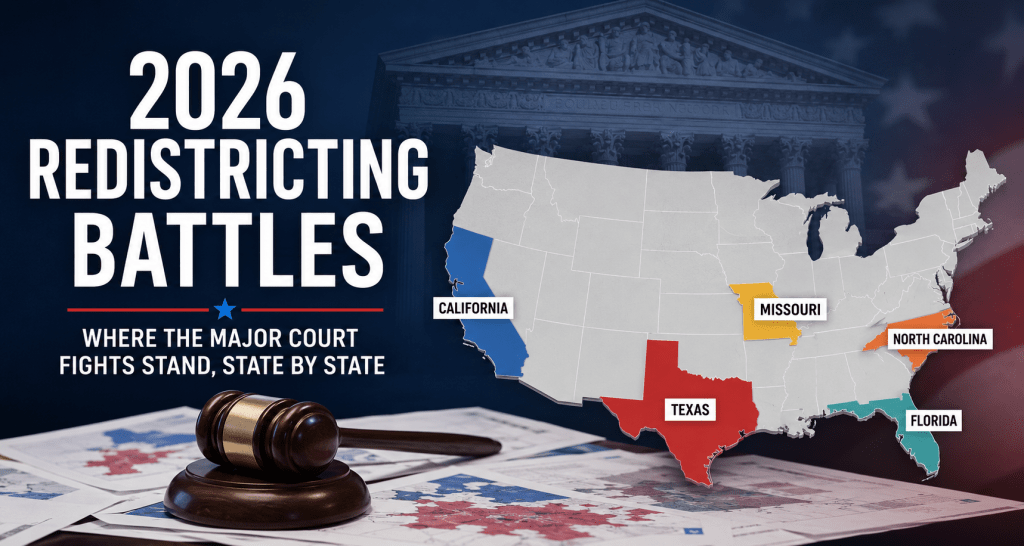
Where the 2026 Redistricting Battles Stand, State by State
—
by
Mid-decade redistricting has affected more states recently, prompting legal disputes related to congressional maps as the 2026 elections approach. Key developments include Texas and California’s map adjustments passing legal scrutiny while North Carolina and Missouri face ongoing challenges. The Supreme Court’s recent ruling on Louisiana’s map may impact future gerrymandering cases.
-
How a Single Election Can Reshape Government for a Decade
Down-ballot races, often overlooked during elections, hold significant power in shaping long-term governance. These positions influence judicial decisions, redistricting, election administration, regulatory policies, and legal challenges. With impacts that last beyond election cycles and presidencies, these elections quietly define the political landscape for a decade or more, underscoring their importance.
-

When the Court Steps Aside: California’s Mid-Decade Redistricting and Its National Implications
The U.S. Supreme Court allowed California’s revised congressional map to take effect for the 2026 elections, highlighting ongoing issues in redistricting. While it declined to rule on mid-cycle redistricting’s constitutionality, the decision may encourage other states to explore similar changes. Future challenges will likely focus on concrete violations rather than partisan motives.
-
What Louisiana v. Callais Means for Voting Rights and Elections
Section 2 of the Voting Rights Act prohibits state or local practices from denying the right to vote based on race. It empowers voters to challenge discriminatory laws and practices. The Supreme Court case Louisiana v. Callais may redefine Section 2’s application, impacting minority voting strength and redistricting nationwide.
 Election Desk